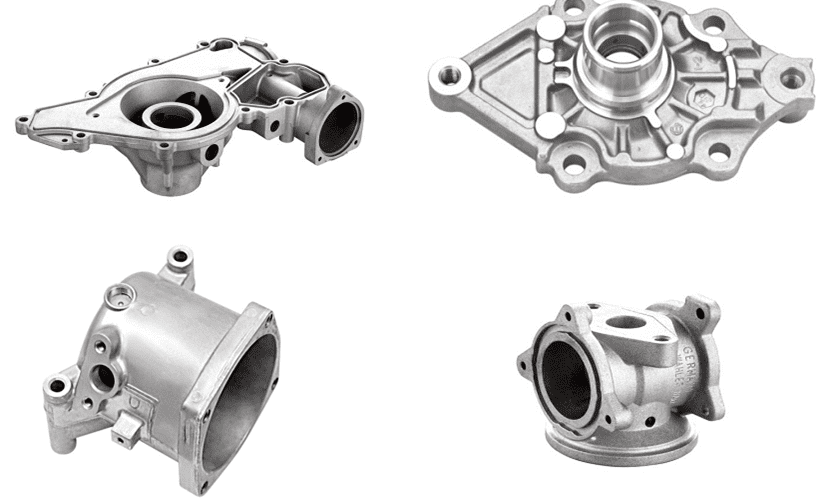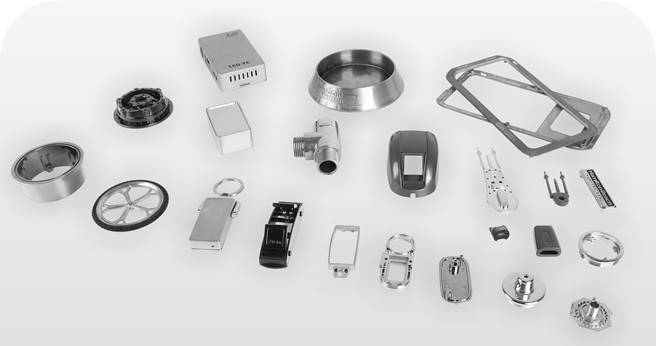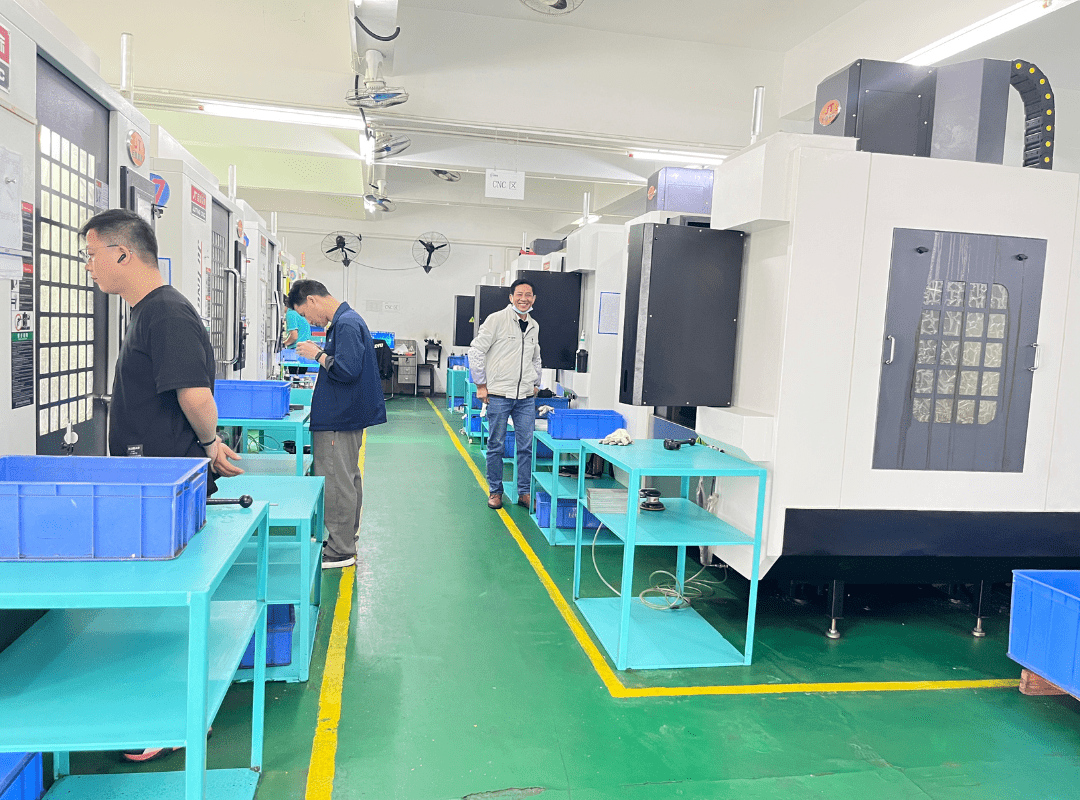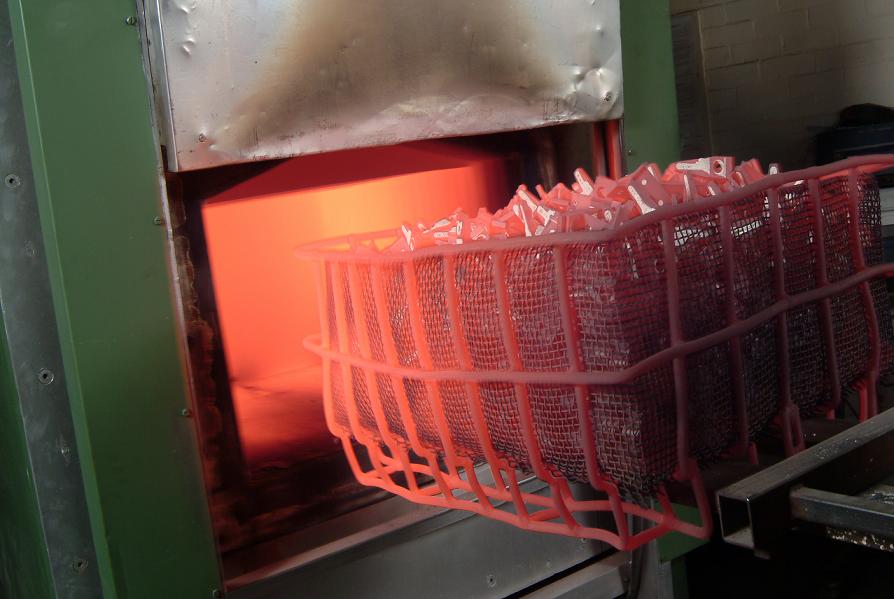
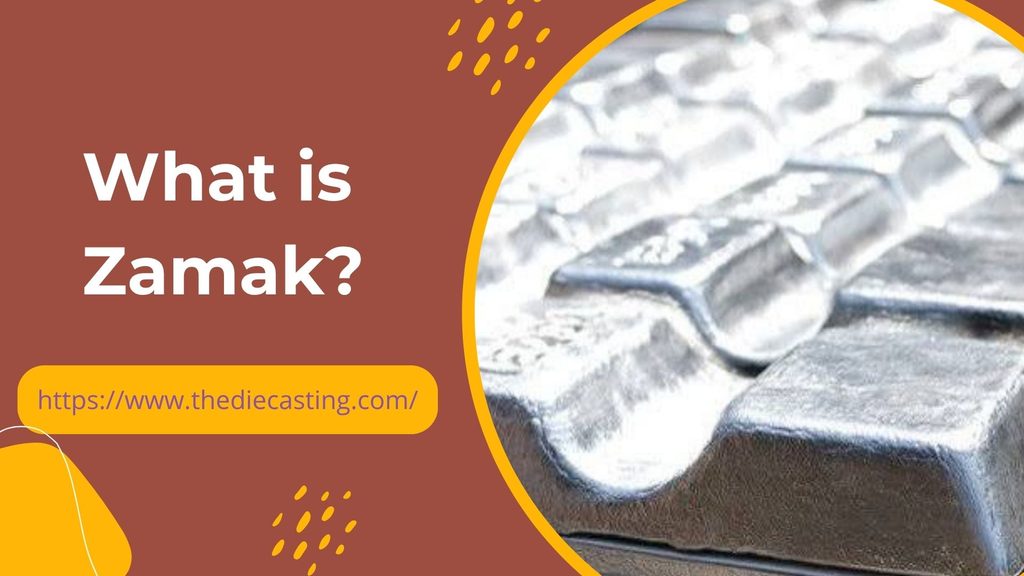
Introduction Zamak is a family of zinc-based metal alloys, which are widely used in the die casting industry for their strength, dimensional stability, high castability, and cost-effectiveness. Zamak is a practical alloy with a combination of mechanical properties and manufacturability. Zamak is used in a wide range of industries, including automotive, electrical fittings, furniture handles, […]
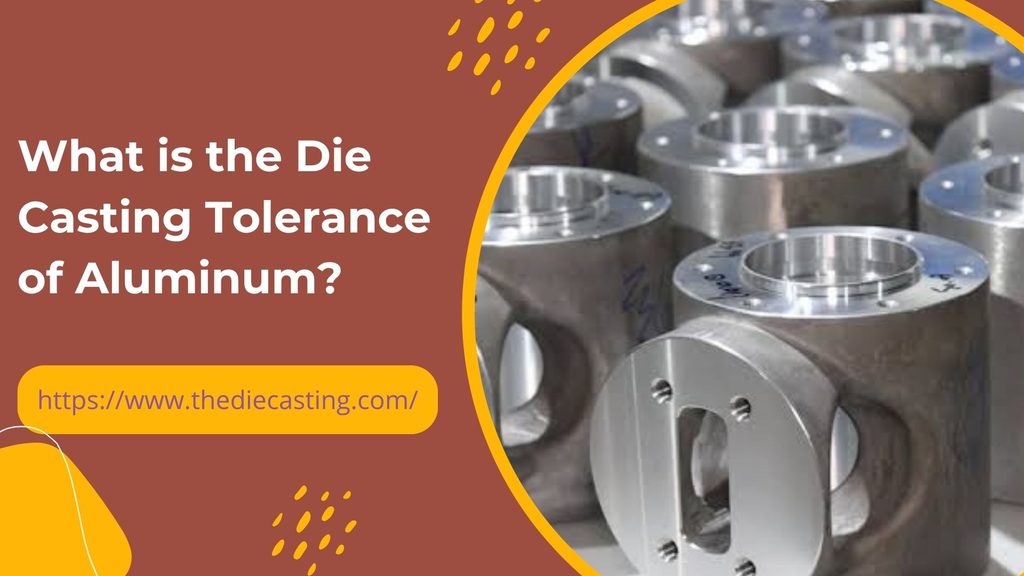
Introduction Talking about aluminum die-casting tolerances is probably the most productive conversation you can have in the precision manufacturing world. If you are any engineer who has ever put a drawing on a die caster with the notation “±0.02 mm all over,” you have been told by about the same factor at least once. Aluminum […]
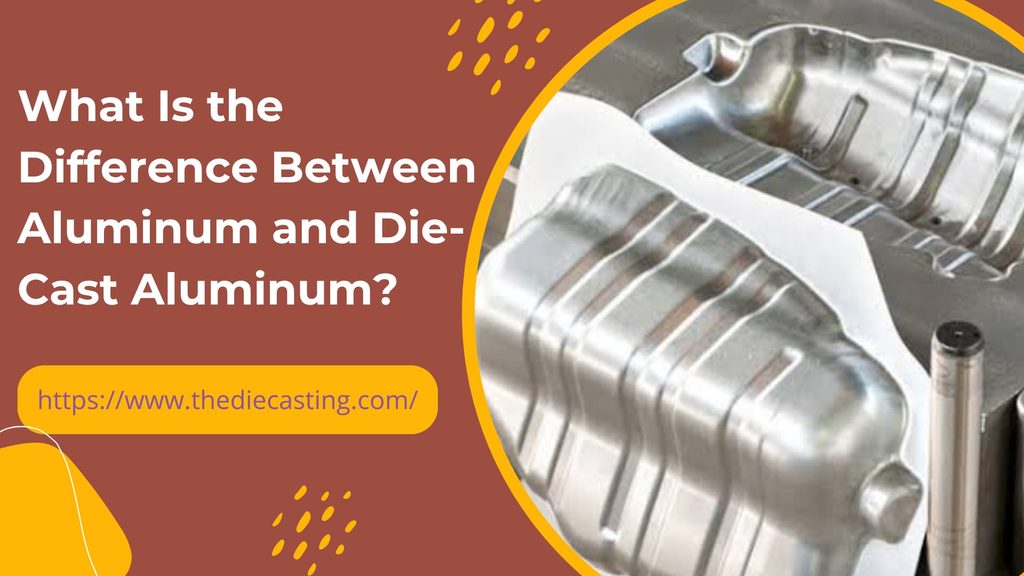
Modern manufacturing uses aluminum in almost every application. It is used in the automotive industry, electronics, machine parts, window frames, heat sinks, housing, cookware, and more. This frequently leads to a simple question: What is the difference between aluminum and die-cast aluminum? The answer is that Aluminum is the metal, and die-cast aluminum is aluminum […]
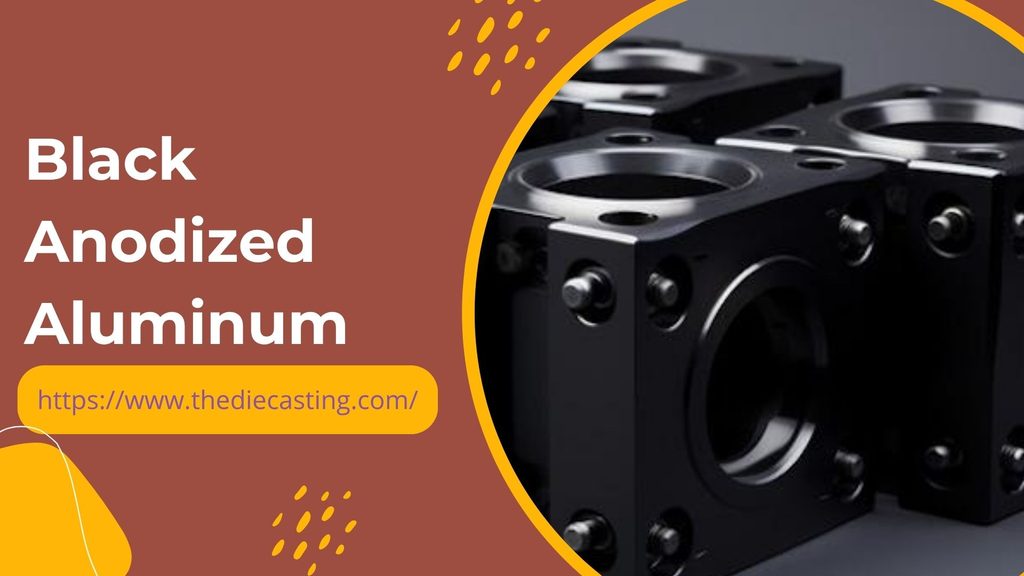
Black anodized aluminum is a popular option for metal components that require a dark color, high wear resistance, and corrosion resistance. The black finish is not painted, but is produced by an anodizing process. The surface is coated with an aluminum oxide layer and then colored by a controlled electrical current. The finish is very […]
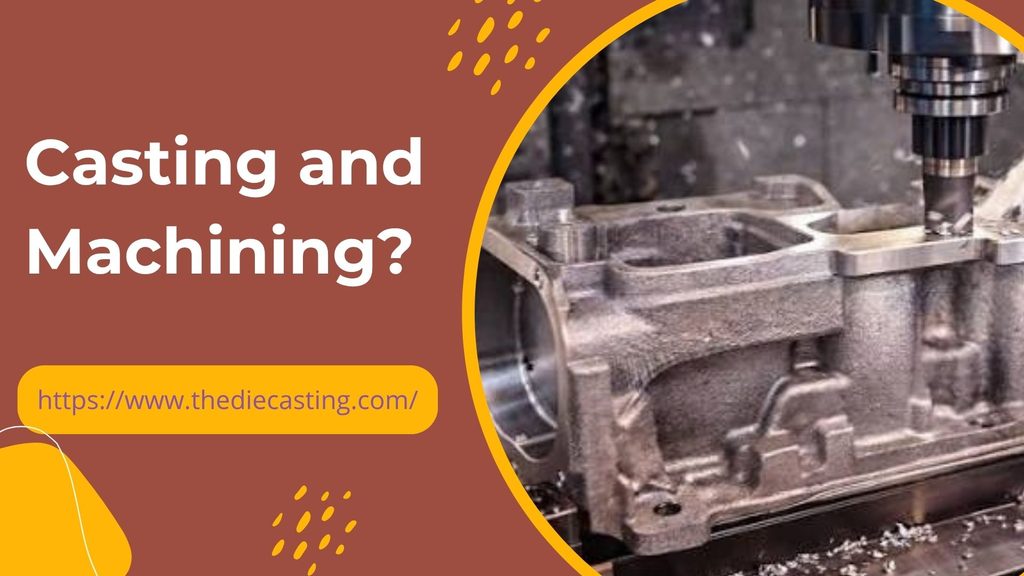
Metal casting and machining are two popular manufacturing technologies that are used in the automotive, aerospace, electronics, and industrial machinery sectors to manufacture metal components. While both processes produce components, they have several differences in terms of how the material is shaped, the tools needed, the costs, and the precision that can be obtained. Casting […]
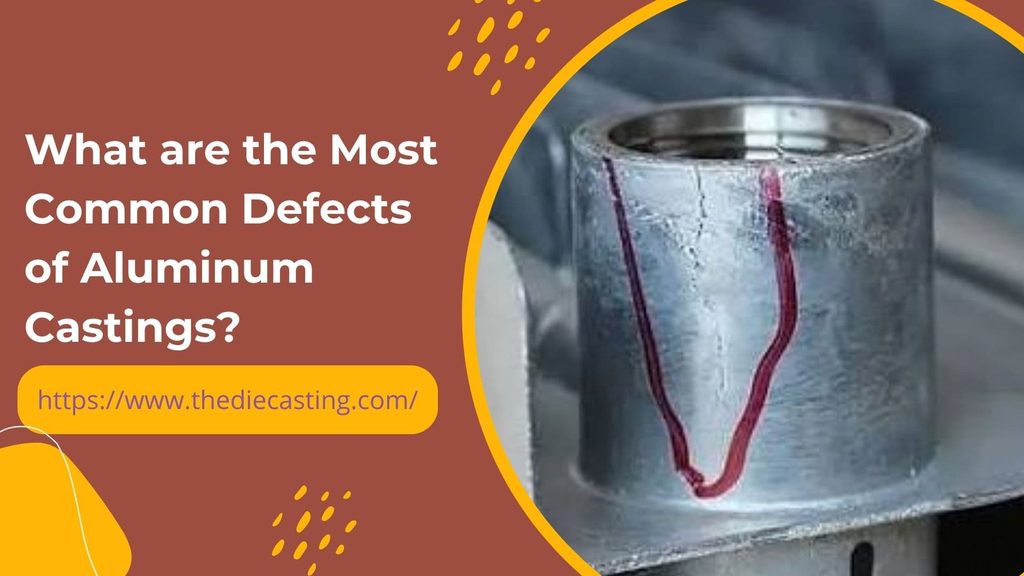
Aluminum casting is still one of the most popular manufacturing techniques for complex, lightweight, and strong parts in the automotive, aerospace, HVAC, electronics, and industrial machinery industries. Low density, thermal conductivity, corrosion resistance, and recyclability are among its many benefits, making it an essential material. However, the process is susceptible to defects that can lead […]
Trykstøbning af zink er nødvendig i moderne produktion, især ved fremstilling af komplekse dele med høj præcision til brug inden for bilindustrien, elektronik og forbrugsgoder. Dette gøres ved at blande smeltede zinklegeringer og højtryksforme for at producere dele, der har bedre dimensionel nøjagtighed, finish og mekaniske egenskaber. Men så meget som [...]
En bearbejdningsproces for prototyper, som f.eks. CNC, indebærer produktion af prototypedele ved hjælp af computerstyrede maskiner i stedet for de store produktionsmetoder, der typisk anvendes. CNC-prototyper er typisk operationelle og stærke og produceres af materialer af produktionskvalitet, i modsætning til hurtig prototyping med 3D-print, som gør det muligt for ingeniøren at eksperimentere med adfærd, tolerancer og materialeadfærd i den virkelige verden. [...]
I den moderne forretningsverden, hvor fremstilling er blevet en hurtig proces, er brugerdefinerede zinkstøbningsvirksomheder i nærheden af mig en af de kogende søgninger blandt produktdesignere, OEM-indkøbere og indkøbschefer. Zinkstøbning er også en populær metode til fremstilling af højpræcisions-, lavpris- og holdbare metalapplikationer. Dets primære anvendelse er i [...]

Skræddersyet skabsbeslag har nogle få detaljer, der er lige så indflydelsesrige som skabets æstetik og anvendelighed. Hardware bruges til gengæld til at definere designet og det endelige design, der kan udføres for at ombygge et køkken, skabe en luksuriøs forfængelighed eller noget helt skræddersyet til at passe til din [...].