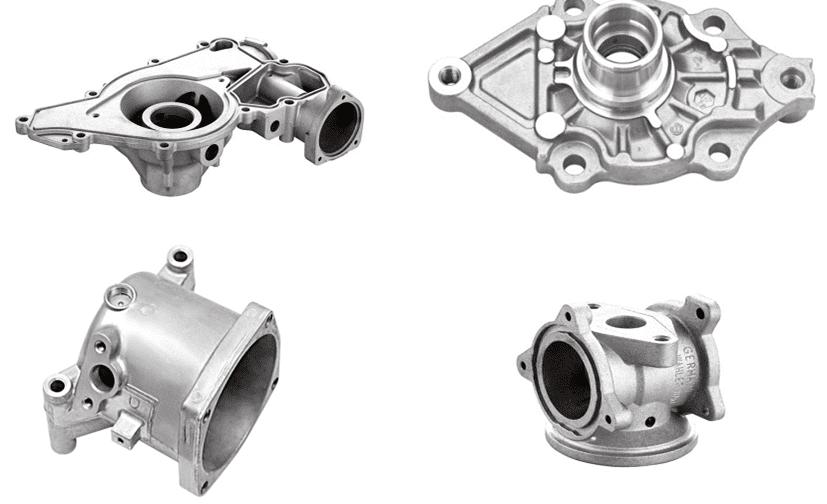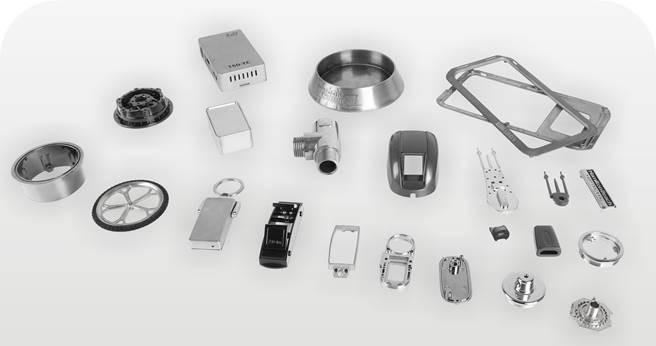
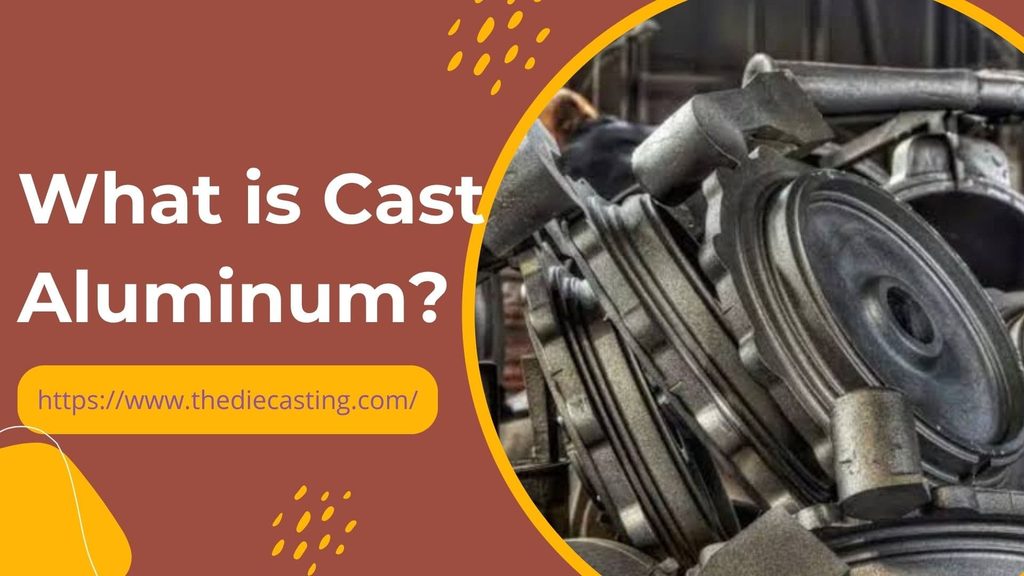
Introduction Cast aluminum is widely used in industrial production and is known for its lightweight properties, corrosion resistance, heat conductivity, and design flexibility. Aluminum alloys are commonly used in die casting applications in the automotive industry, electronics, industrial machines, aerospace, and consumer goods. The use of Aluminum die casting can help the manufacturer produce parts […]
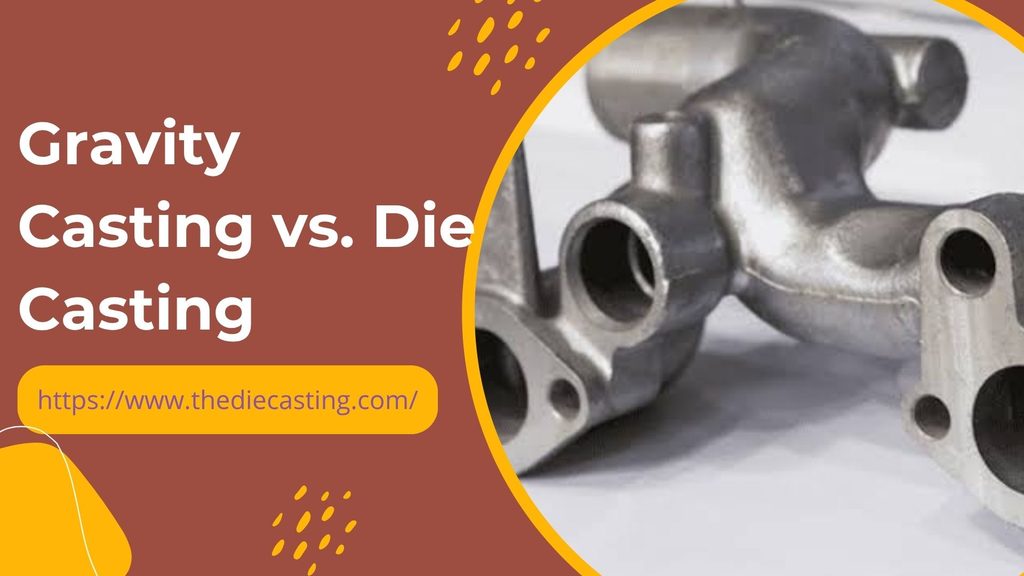
Introduction Gravity casting vs. die casting is a major consideration when manufacturers are choosing a metal casting process for a new component. The two methods are able to produce consistent dimensions of parts that are hard to produce by other methods and will result in a durable part. They vary in the way the molten […]
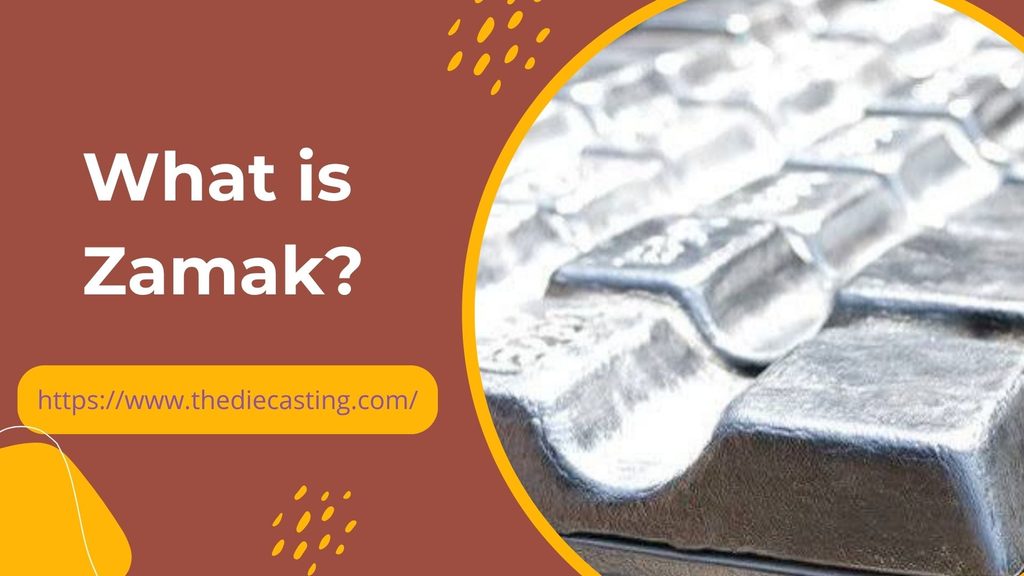
Introduction Zamak is a family of zinc-based metal alloys, which are widely used in the die casting industry for their strength, dimensional stability, high castability, and cost-effectiveness. Zamak is a practical alloy with a combination of mechanical properties and manufacturability. Zamak is used in a wide range of industries, including automotive, electrical fittings, furniture handles, […]
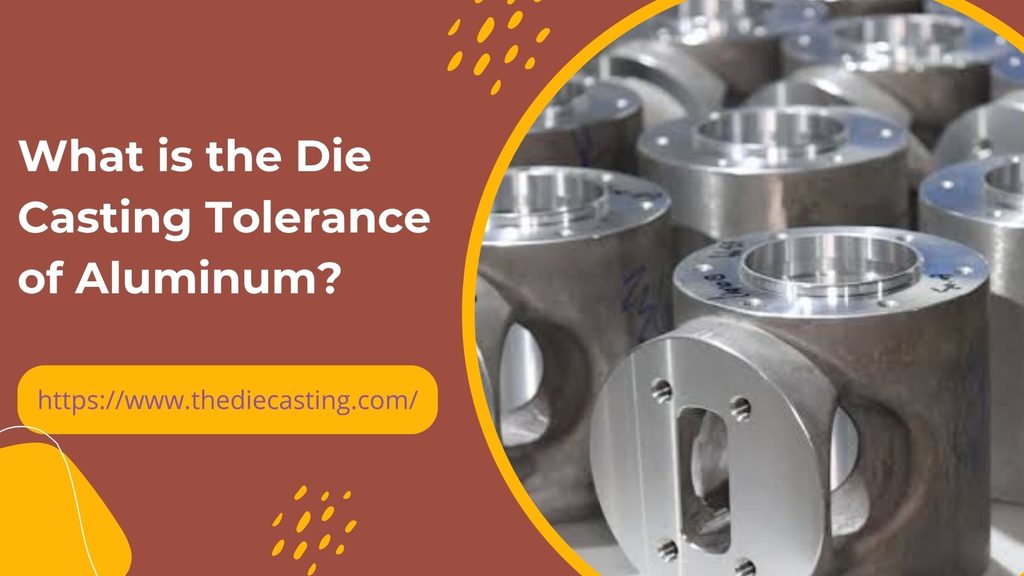
Introduction Talking about aluminum die-casting tolerances is probably the most productive conversation you can have in the precision manufacturing world. If you are any engineer who has ever put a drawing on a die caster with the notation “±0.02 mm all over,” you have been told by about the same factor at least once. Aluminum […]
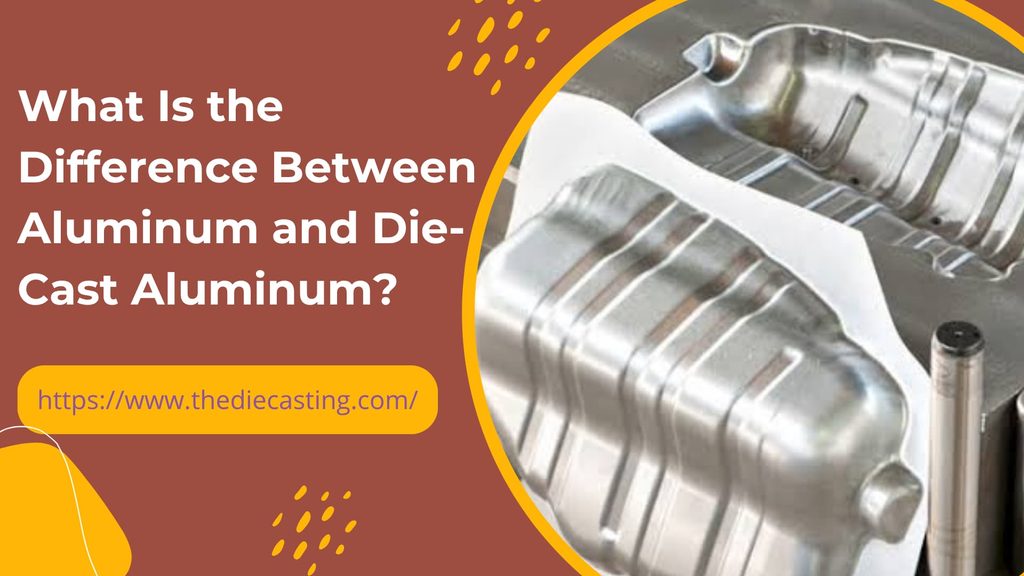
Modern manufacturing uses aluminum in almost every application. It is used in the automotive industry, electronics, machine parts, window frames, heat sinks, housing, cookware, and more. This frequently leads to a simple question: What is the difference between aluminum and die-cast aluminum? The answer is that Aluminum is the metal, and die-cast aluminum is aluminum […]
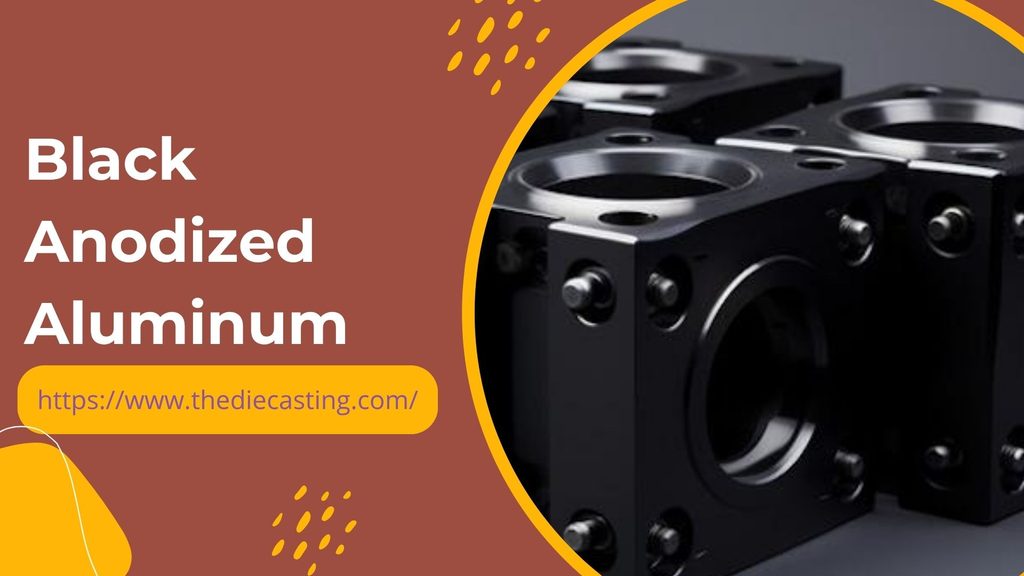
Black anodized aluminum is a popular option for metal components that require a dark color, high wear resistance, and corrosion resistance. The black finish is not painted, but is produced by an anodizing process. The surface is coated with an aluminum oxide layer and then colored by a controlled electrical current. The finish is very […]
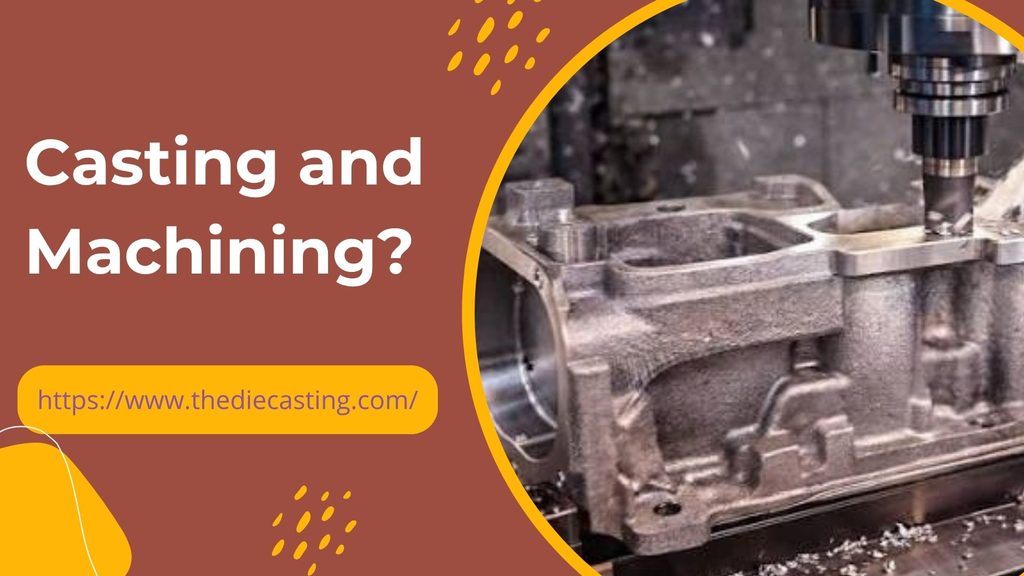
Metal casting and machining are two popular manufacturing technologies that are used in the automotive, aerospace, electronics, and industrial machinery sectors to manufacture metal components. While both processes produce components, they have several differences in terms of how the material is shaped, the tools needed, the costs, and the precision that can be obtained. Casting […]
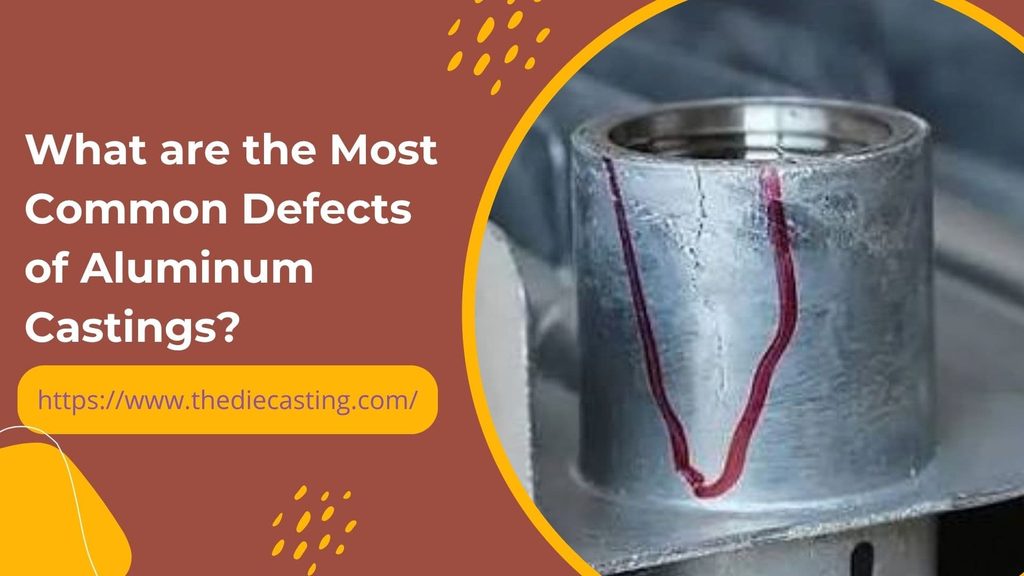
Aluminum casting is still one of the most popular manufacturing techniques for complex, lightweight, and strong parts in the automotive, aerospace, HVAC, electronics, and industrial machinery industries. Low density, thermal conductivity, corrosion resistance, and recyclability are among its many benefits, making it an essential material. However, the process is susceptible to defects that can lead […]
Zinc die casting is required in contemporary manufacturing, especially in the manufacture of high-precision, complex parts for use within the automotive, electronic, and consumer goods sectors. This is done by mixing the molten zinc alloys and high-pressure dies to produce parts that have better dimensional accuracy, finishes, and mechanical properties. But still, as much as […]
A prototype machining process, such as CNC, involves producing prototyped parts using computer-controlled machines instead of the large-scale production methods typically employed. CNC prototypes are typically operational and strong and are produced out of production-grade materials, unlike rapid prototyping with 3D printing, which enables the engineer to experiment with real-world behavior, tolerances, and material behavior. […]