
Aluminum and Aluminum Alloys
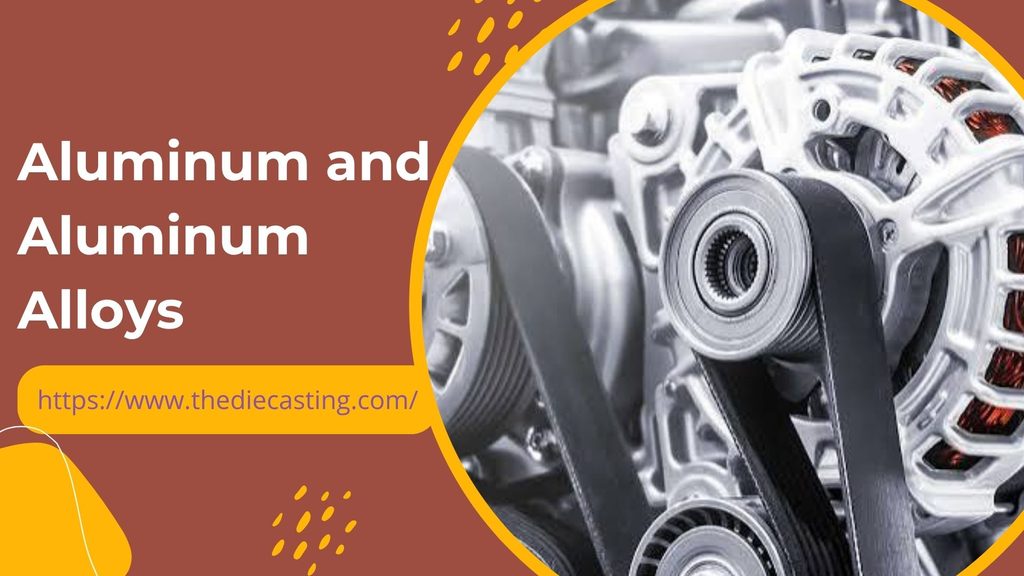
Introduction Aluminum is utilized in a variety of applications – in food packaging, household items, automotive parts, aircraft structures, and precision-machined components. In the case of pure aluminum, though, it is quite soft, making it somewhat unsuitable for applications in which high strength and durability are needed. The limitations are overcome by the use of […]
An Overview of Die Cast Aluminum
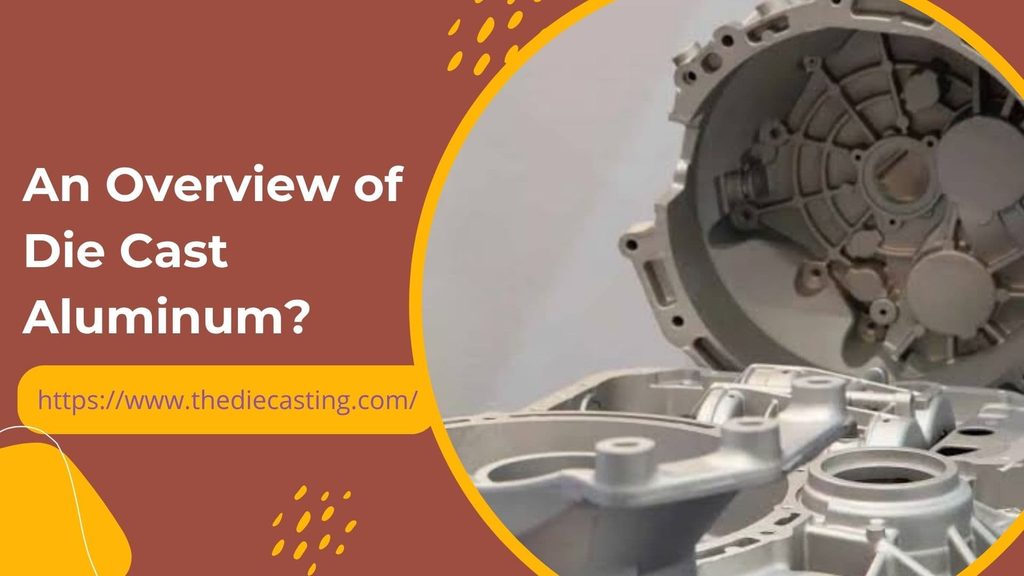
Introduction Lightweight construction, good mechanical strength, corrosion resistance, and excellent dimensional precision are the properties that make die-cast aluminum so popular in modern manufacturing. Aluminum die-casting producers can quickly and accurately produce intricate metal components, whether they are making automotive parts, electronic enclosures, industrial equipment, or heat sinks. It is done by pressure casting molten […]
O que é alumínio fundido?
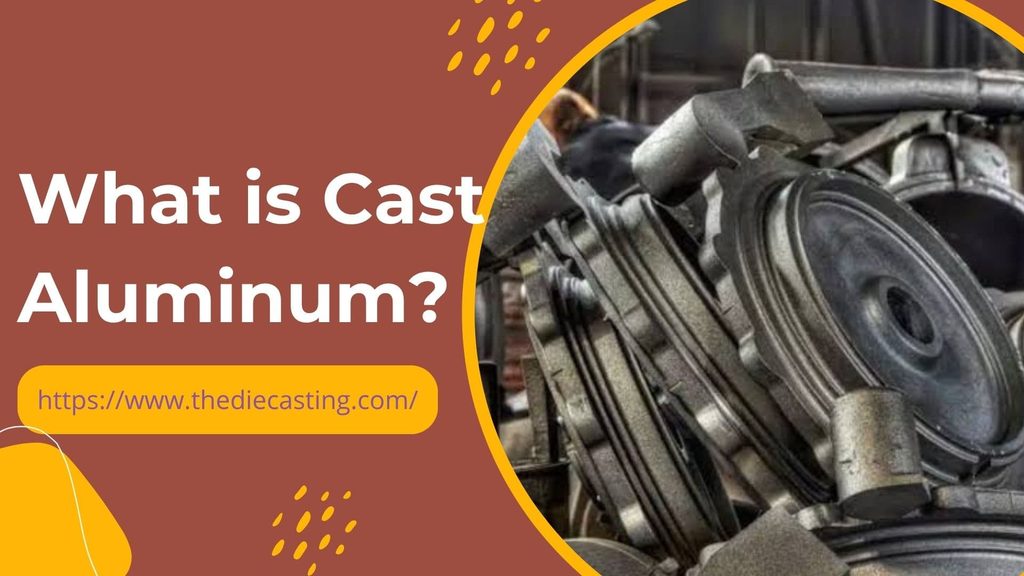
Introduction Cast aluminum is widely used in industrial production and is known for its lightweight properties, corrosion resistance, heat conductivity, and design flexibility. Aluminum alloys are commonly used in die casting applications in the automotive industry, electronics, industrial machines, aerospace, and consumer goods. The use of Aluminum die casting can help the manufacturer produce parts […]
Gravity Casting vs. Die Casting
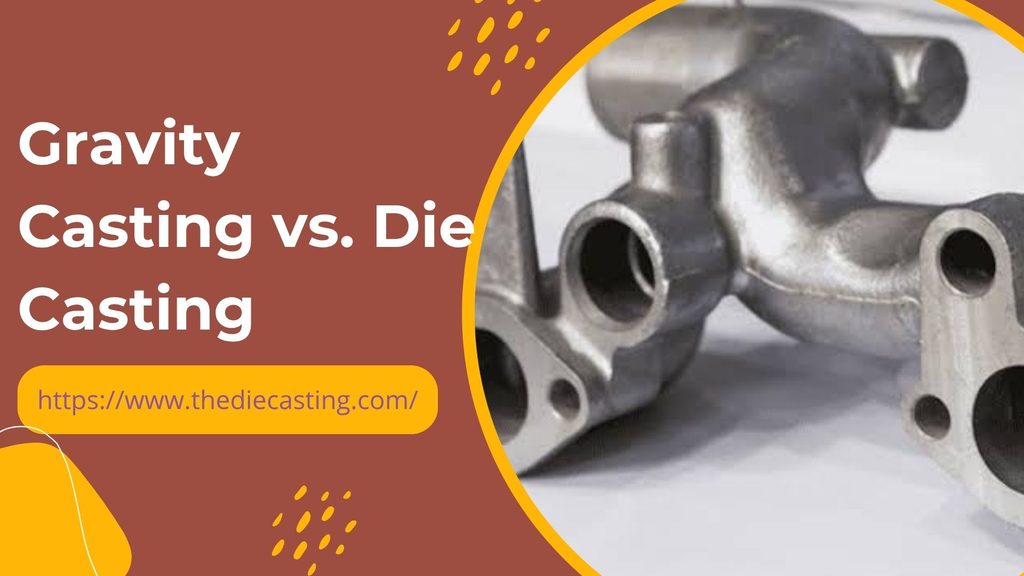
Introduction Gravity casting vs. die casting is a major consideration when manufacturers are choosing a metal casting process for a new component. The two methods are able to produce consistent dimensions of parts that are hard to produce by other methods and will result in a durable part. They vary in the way the molten […]
What is Zamak?
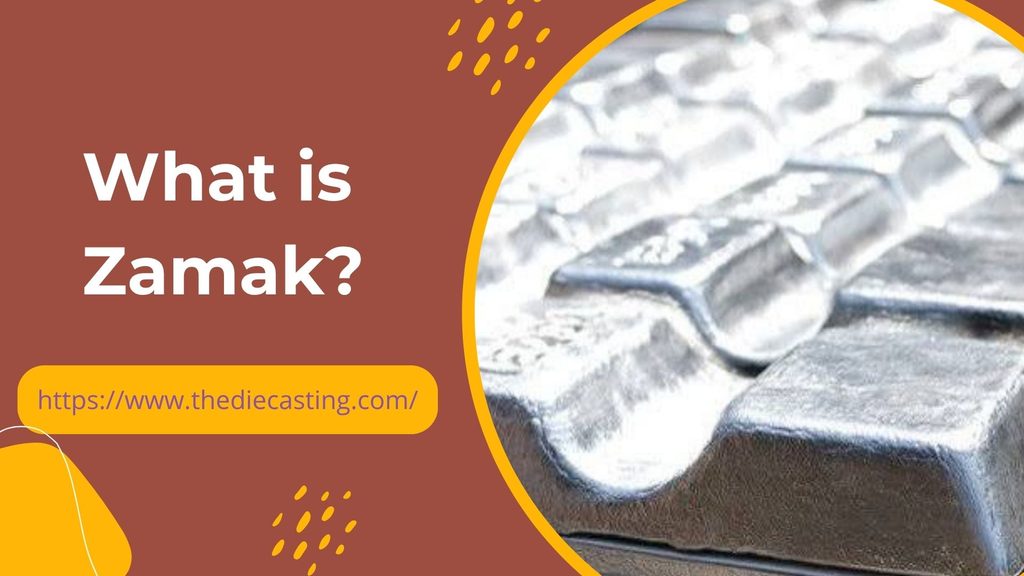
Introduction Zamak is a family of zinc-based metal alloys, which are widely used in the die casting industry for their strength, dimensional stability, high castability, and cost-effectiveness. Zamak is a practical alloy with a combination of mechanical properties and manufacturability. Zamak is used in a wide range of industries, including automotive, electrical fittings, furniture handles, […]
What is the Die Casting Tolerance of Aluminum?
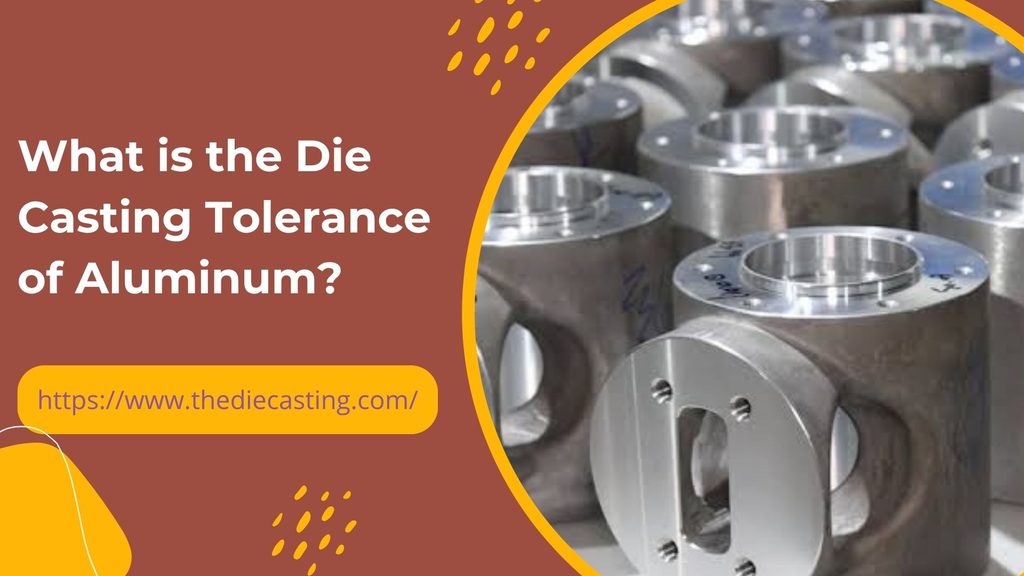
Introduction Talking about aluminum die-casting tolerances is probably the most productive conversation you can have in the precision manufacturing world. If you are any engineer who has ever put a drawing on a die caster with the notation “±0.02 mm all over,” you have been told by about the same factor at least once. Aluminum […]
What Is the Difference Between Aluminum and Die-Cast Aluminum?
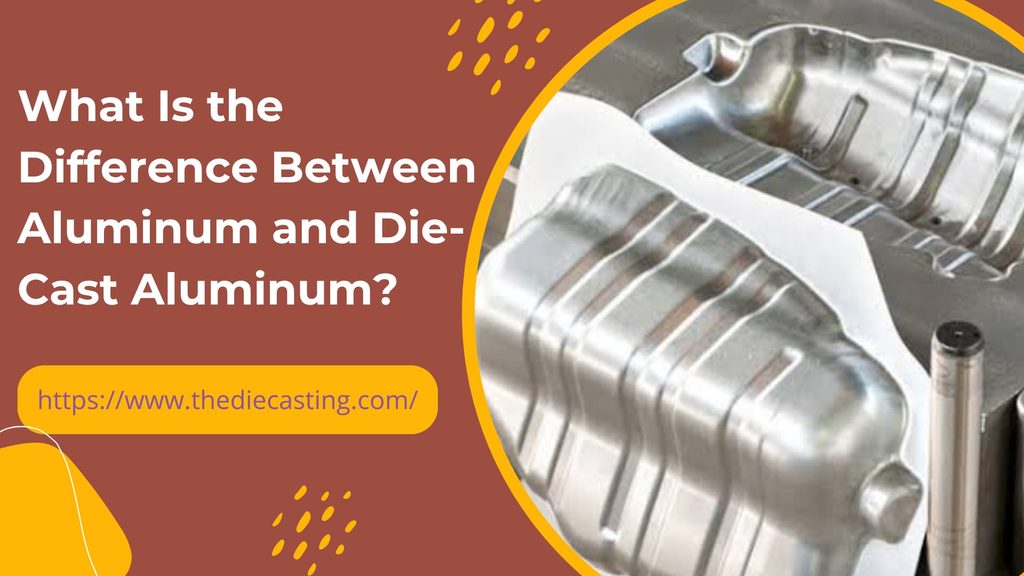
Modern manufacturing uses aluminum in almost every application. It is used in the automotive industry, electronics, machine parts, window frames, heat sinks, housing, cookware, and more. This frequently leads to a simple question: What is the difference between aluminum and die-cast aluminum? The answer is that Aluminum is the metal, and die-cast aluminum is aluminum […]
Alumínio anodizado preto
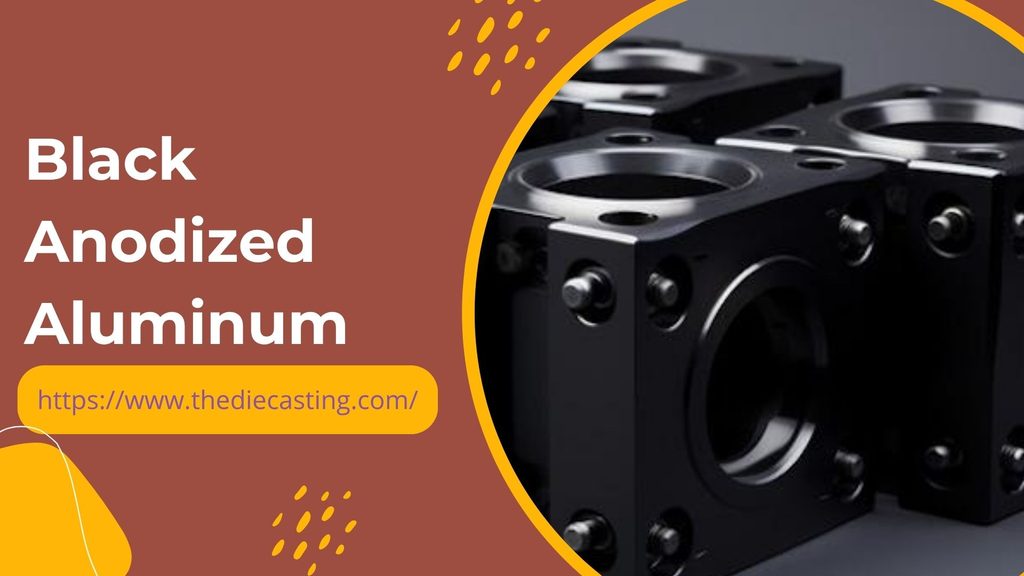
O alumínio anodizado preto é uma opção popular para componentes metálicos que exigem uma cor escura, alta resistência ao desgaste e resistência à corrosão. O acabamento preto não é pintado, mas é obtido por meio de um processo de anodização. A superfície é revestida com uma camada de óxido de alumínio e, em seguida, colorida por meio de uma corrente elétrica controlada. O acabamento é muito […]
Fundição e Usinagem
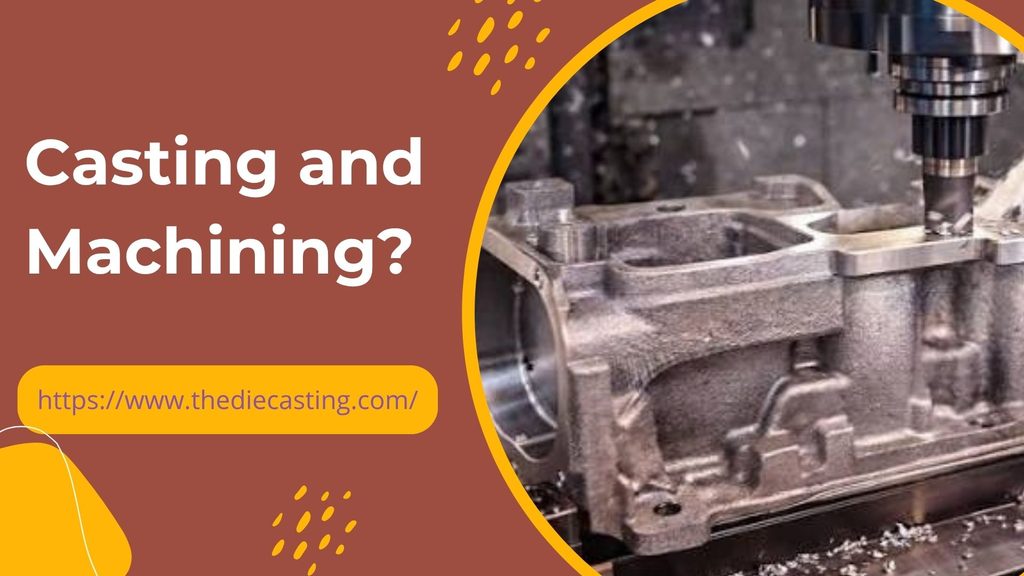
A fundição e a usinagem de metais são duas tecnologias de fabricação amplamente utilizadas nos setores automotivo, aeroespacial, eletrônico e de maquinário industrial para a produção de componentes metálicos. Embora ambos os processos produzam componentes, eles apresentam várias diferenças no que diz respeito à forma como o material é moldado, às ferramentas necessárias, aos custos e à precisão que pode ser alcançada. Fundição […]
Quais são os defeitos mais comuns nas peças fundidas de alumínio?
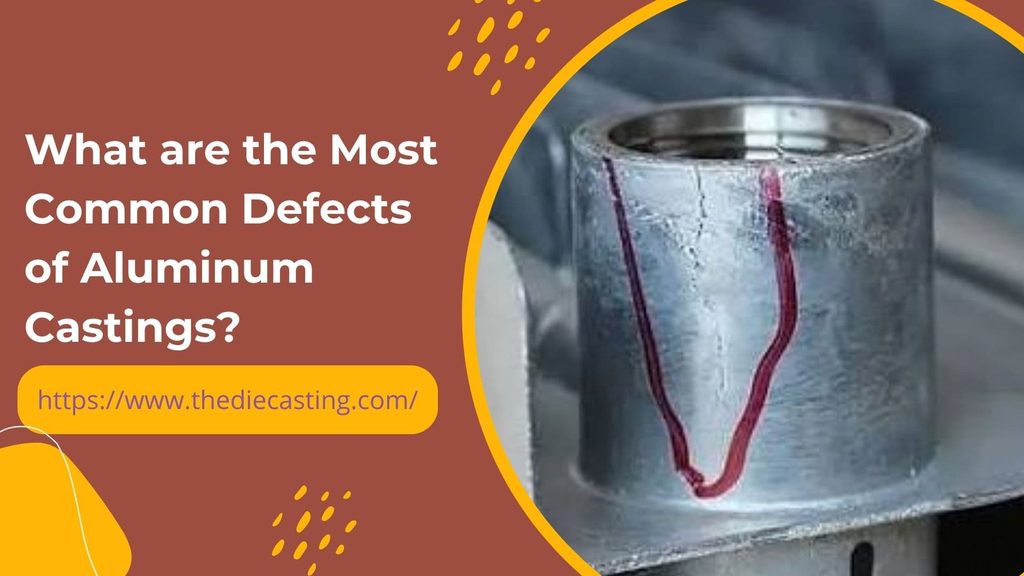
A fundição de alumínio continua sendo uma das técnicas de fabricação mais populares para peças complexas, leves e resistentes nos setores automotivo, aeroespacial, de climatização (HVAC), eletrônico e de maquinário industrial. A baixa densidade, a condutividade térmica, a resistência à corrosão e a reciclabilidade estão entre suas muitas vantagens, tornando-o um material essencial. No entanto, o processo é suscetível a defeitos que podem levar a […]