
Aluminum and Aluminum Alloys
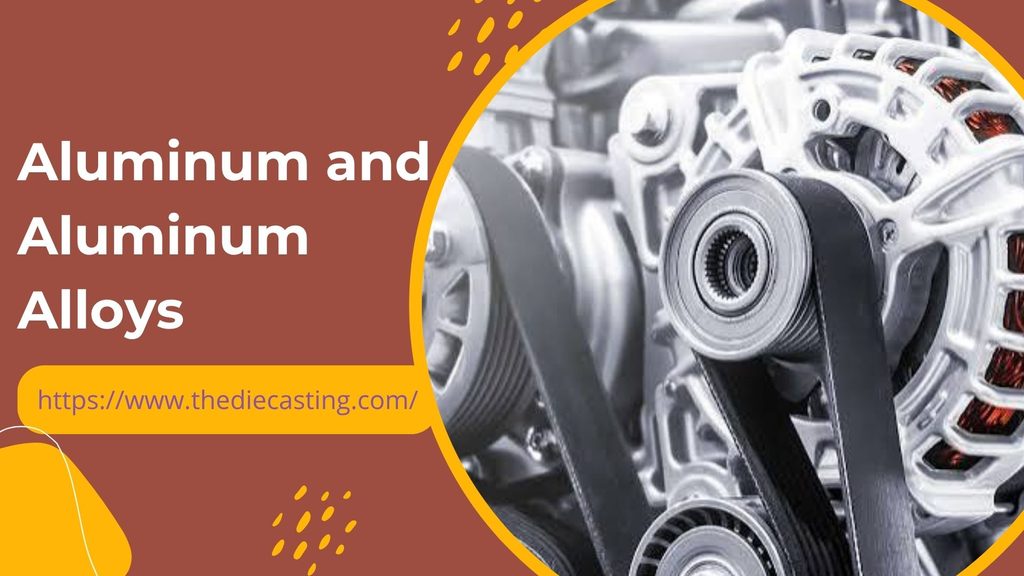
Introduction Aluminum is utilized in a variety of applications – in food packaging, household items, automotive parts, aircraft structures, and precision-machined components. In the case of pure aluminum, though, it is quite soft, making it somewhat unsuitable for applications in which high strength and durability are needed. The limitations are overcome by the use of aluminium alloys that are alloyed with elements such as copper, magnesium, silicon, zinc, and manganese. Additions provide certain properties such as strength, hardness, ease of working, weldability, and corrosion resistance. This guide provides an overview of the aluminum alloys, their constituents, properties, pros and cons, typical grades, production methods, and uses. What Are Aluminum Alloys? […]
An Overview of Die Cast Aluminum
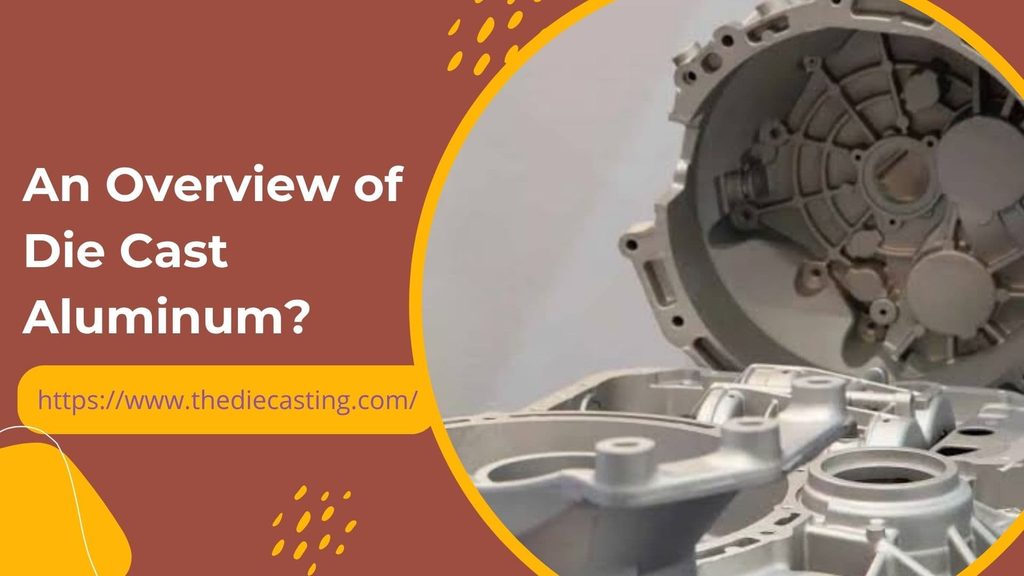
Introduction Lightweight construction, good mechanical strength, corrosion resistance, and excellent dimensional precision are the properties that make die-cast aluminum so popular in modern manufacturing. Aluminum die-casting producers can quickly and accurately produce intricate metal components, whether they are making automotive parts, electronic enclosures, industrial equipment, or heat sinks. It is done by pressure casting molten aluminium alloy into a reusable steel mold. After the metal cools and hardens, the mold opens, and the casting is removed. The parts can then undergo further operations like surface finishing, deburring, assembly, and CNC machining, preparing them for their specific use. This guide covers the workings behind the aluminum die casting process, the most […]
アルミ鋳造とは?
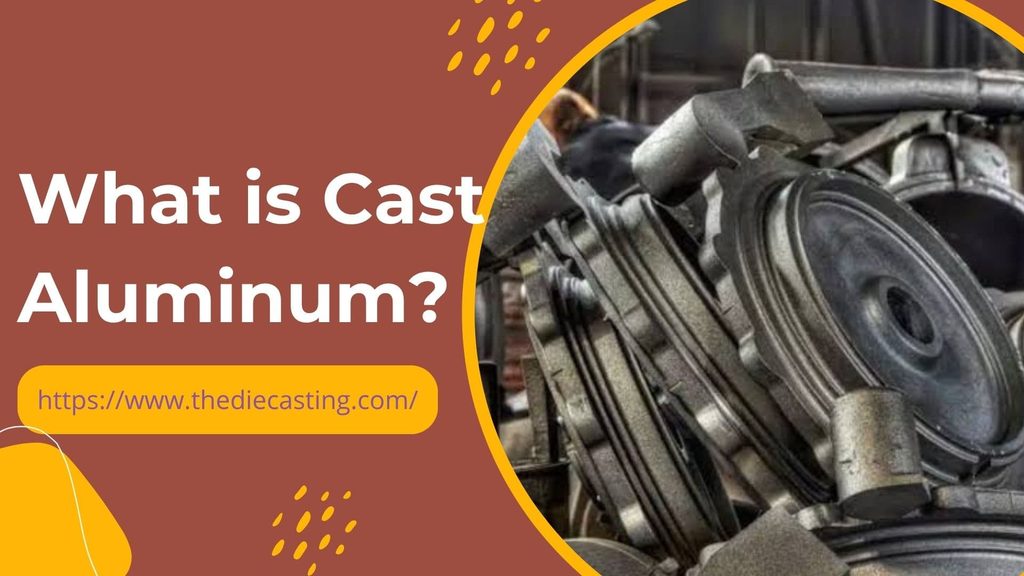
Introduction Cast aluminum is widely used in industrial production and is known for its lightweight properties, corrosion resistance, heat conductivity, and design flexibility. Aluminum alloys are commonly used in die casting applications in the automotive industry, electronics, industrial machines, aerospace, and consumer goods. The use of Aluminum die casting can help the manufacturer produce parts that have detailed geometries, consistent dimensions, and relatively smooth surfaces at a high production volume. Castings can also help reduce material waste and secondary machining compared to machining a component from solid aluminum. But getting the right aluminum alloy and casting method is very important. The resulting material depends on factors like mechanical strength, wall […]
Gravity Casting vs. Die Casting
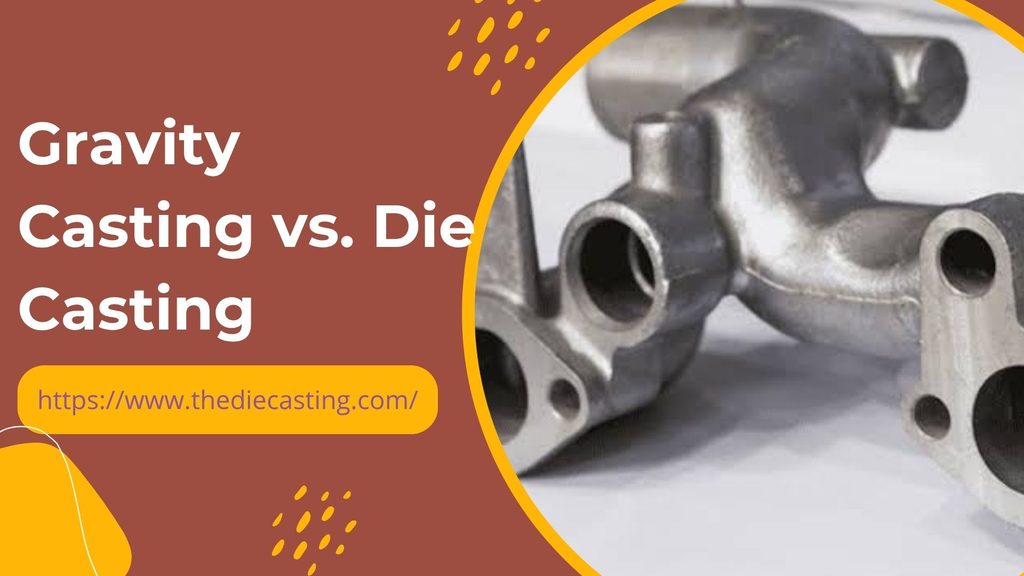
Introduction Gravity casting vs. die casting is a major consideration when manufacturers are choosing a metal casting process for a new component. The two methods are able to produce consistent dimensions of parts that are hard to produce by other methods and will result in a durable part. They vary in the way the molten metal enters the mold, rate of production, tooling investment, and the shape that can be produced. Gravity die casting is gravity casting and is mainly used for many medium-sized production parts and components that require controlled solidification. High-pressure Die casting (HPDC): Molten metal is injected under pressure into a die at a high velocity, which […]
What is Zamak?
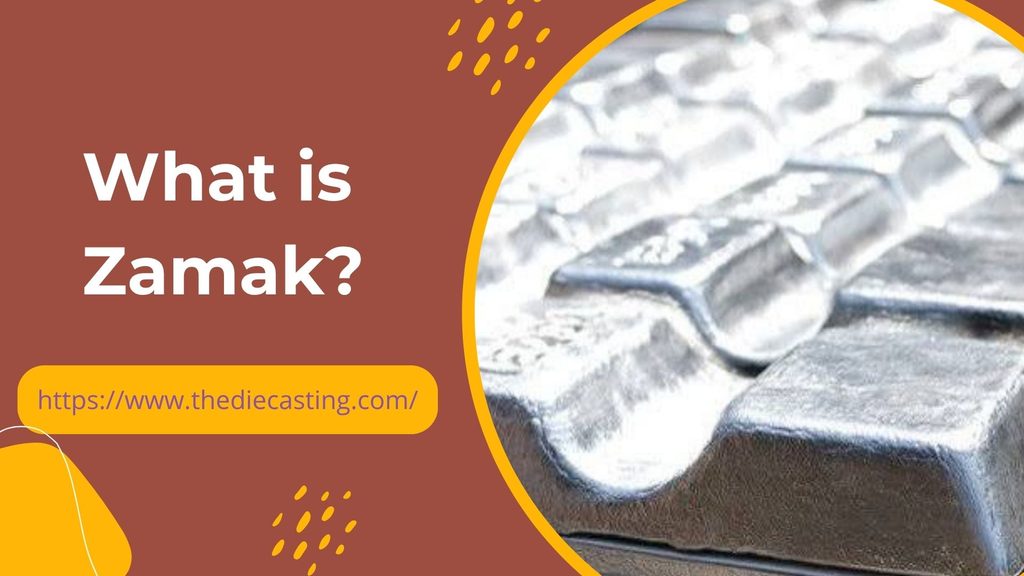
Introduction Zamak is a family of zinc-based metal alloys, which are widely used in the die casting industry for their strength, dimensional stability, high castability, and cost-effectiveness. Zamak is a practical alloy with a combination of mechanical properties and manufacturability. Zamak is used in a wide range of industries, including automotive, electrical fittings, furniture handles, household appliances, and decorative accessories. It is also relatively inexpensive to melt and flows into complex mold cavities, helping manufacturers save on tooling costs, machining time, and production time. What Is Zamak? This alloy is a family of zinc alloys that contain aluminium, magnesium, and copper in controlled proportions. Numerous other elements are added to […]
What is the Die Casting Tolerance of Aluminum?
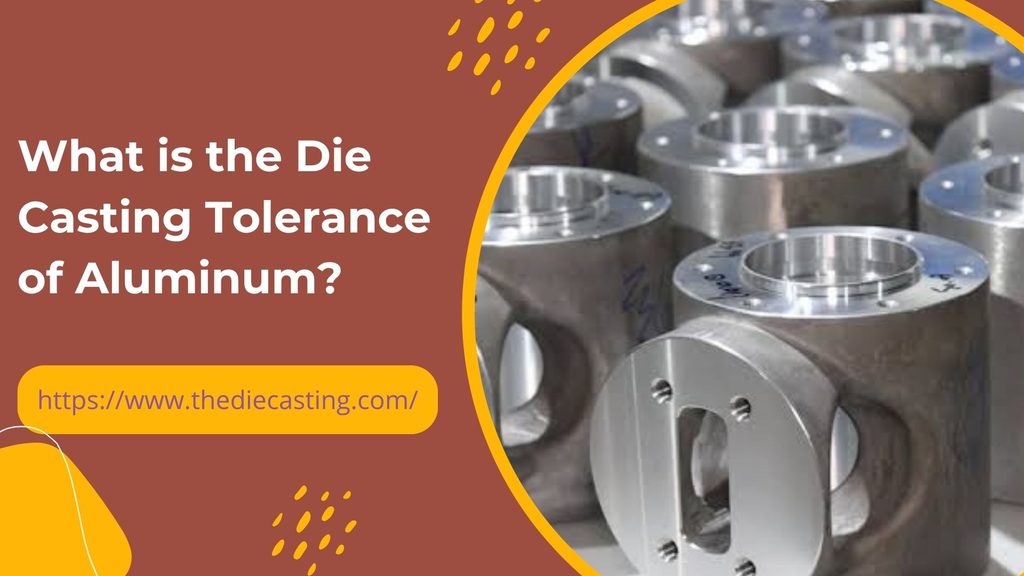
Introduction Talking about aluminum die-casting tolerances is probably the most productive conversation you can have in the precision manufacturing world. If you are any engineer who has ever put a drawing on a die caster with the notation “±0.02 mm all over,” you have been told by about the same factor at least once. Aluminum die casting is still fundamentally constrained by the physics of molten metal solidifying under high pressure in a steel mold; it does provide high production rates, exceptional dimensional consistency, and excellent surface finish. Knowing the true capacity of an as-cast aluminum can, when secondary machining is necessary, and how industry requirements like NADCA and ISO […]
What Is the Difference Between Aluminum and Die-Cast Aluminum?
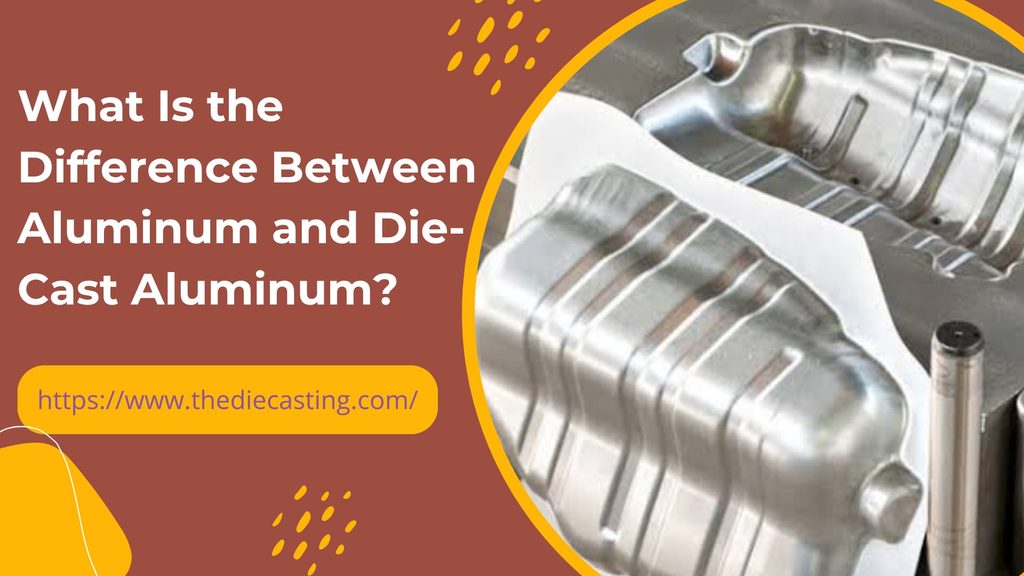
Modern manufacturing uses aluminum in almost every application. It is used in the automotive industry, electronics, machine parts, window frames, heat sinks, housing, cookware, and more. This frequently leads to a simple question: What is the difference between aluminum and die-cast aluminum? The answer is that Aluminum is the metal, and die-cast aluminum is aluminum formed through a specific casting process. Not all aluminum products have the same composition or properties. Manufacturers mix various elements into pure aluminum to make different alloys because aluminum is soft. Manufacturers then subject the alloys to various manufacturing operations such as rolling, extrusion, forging, machining, sand casting, and die casting. Thus, if a part […]
Black Anodized Aluminum
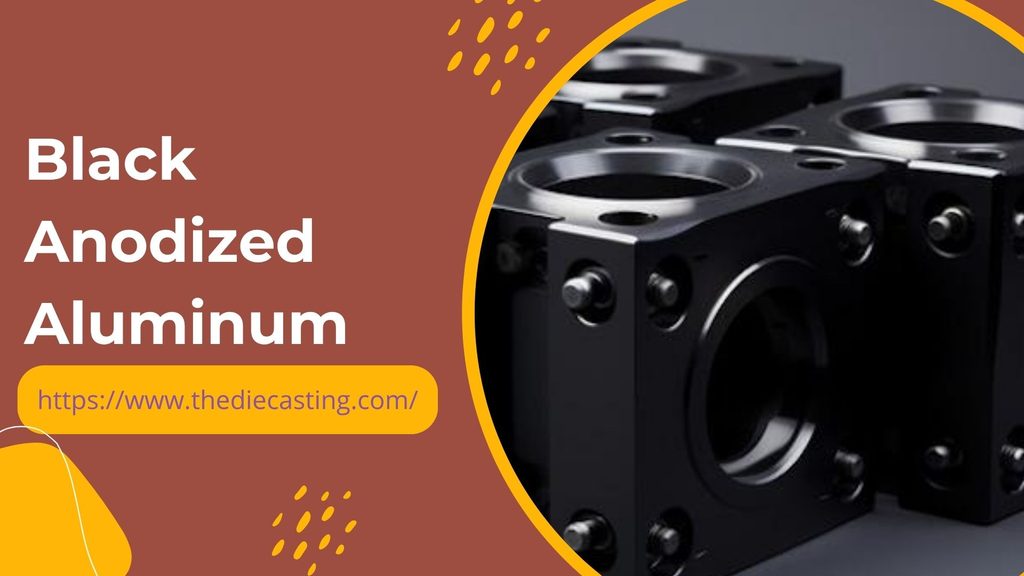
Black anodized aluminum is a popular option for metal components that require a dark color, high wear resistance, and corrosion resistance. The black finish is not painted, but is produced by an anodizing process. The surface is coated with an aluminum oxide layer and then colored by a controlled electrical current. The finish is very close to the aluminum surface rather than a separate layer sitting on top. The contrast results in a desirable look and durability for black anodized aluminum. The finish is also suitable for products where glare, fingerprints, heat, and daily use are an issue. However, achieving a good black finish isn’t as easy as dipping an […]
Casting and Machining
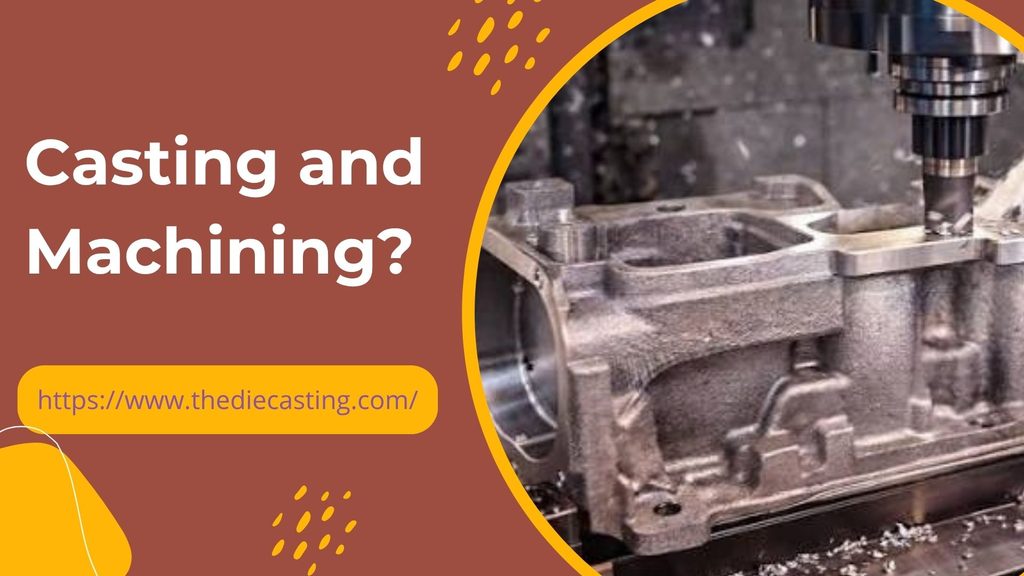
Metal casting and machining are two popular manufacturing technologies that are used in the automotive, aerospace, electronics, and industrial machinery sectors to manufacture metal components. While both processes produce components, they have several differences in terms of how the material is shaped, the tools needed, the costs, and the precision that can be obtained. Casting is a process of pouring or injecting molten metal into a mold to form components, and machining is a process that uses cutting tools to remove material from a solid object. In some applications, it is efficient to combine casting and CNC machining of complex parts, which have precise functional features. What Is the Difference […]
アルミニウム鋳物の最も一般的な欠陥にはどのようなものがありますか?
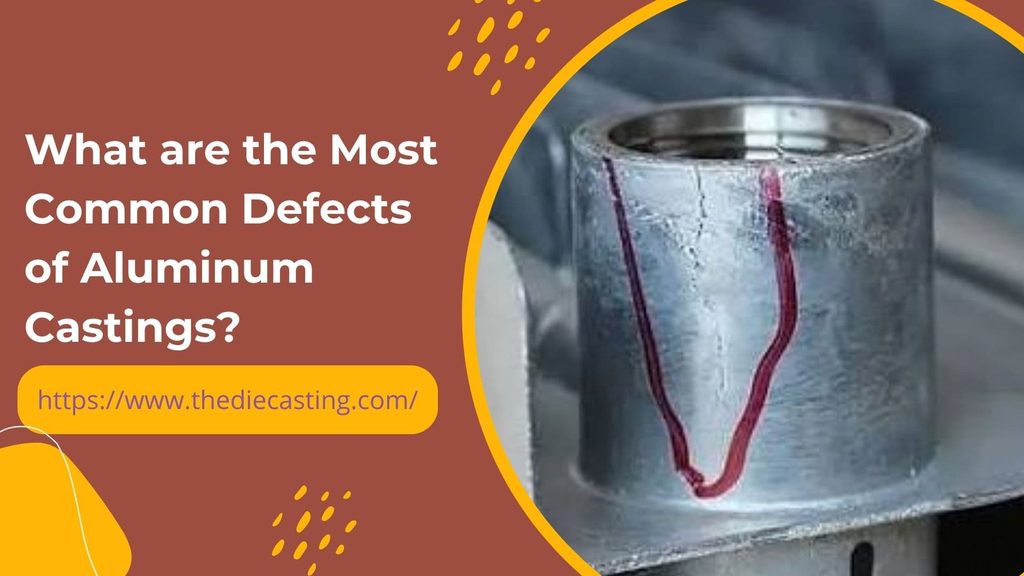
Aluminum casting is still one of the most popular manufacturing techniques for complex, lightweight, and strong parts in the automotive, aerospace, HVAC, electronics, and industrial machinery industries. Low density, thermal conductivity, corrosion resistance, and recyclability are among its many benefits, making it an essential material. However, the process is susceptible to defects that can lead to unwanted structural variations, excess scrap, and cost. To maintain scrap at less than 2% and guarantee consistent parts, it is important that the foundry be aware of the most common casting defects, their causes, and how they can be eliminated. This article covers over 10 common defects, explains how they occur, and offers practical […]