

The fact that CNC machined aluminum parts have such strength, lightweight properties, and high levels of machinability has made them the cornerstone of modern manufacturing. Aluminum components are ideally suited for application in aerospace, automotive as well as electronics and medical devices, both in terms of precision but also durability. CNC (Computer Numerical Control) machining, which has taken its place in aluminum part production, too, has continued to advance. Excellent strength-to-weight ratio, corrosion resistance, and cost-effectiveness make aluminum the machining of choice for CNC machining due to its public use. Specifically, alloys such as 6061, 7075 and 5052 provide specific advantages in different applications, reliability and efficiency in various industries. However, ready CNC machining allows aluminum to be produced into lightweight aircraft components as well as heat-dissipating electronic enclosures and high-performance automotive parts. Besides the primary machining such as milling, turning, drilling, tapping etc., CNC aluminium parts are enhanced with the help of various auxiliary processes, for instance, anodizing, polishing and heat treatment. Because of this demand, China has gradually developed into the leading country in CNC machined aluminium, providing superior quality and savings involving production.
In this article, we learn about the benefits of CNC aluminum machining, its applications, production ways, and surface finishing processes. No matter if you are the manufacturer, engineer or owner of the business, knowing what CNC machined aluminum can do for you will aid in making a decision based on your requirements.
What is CNC Machined Aluminum?
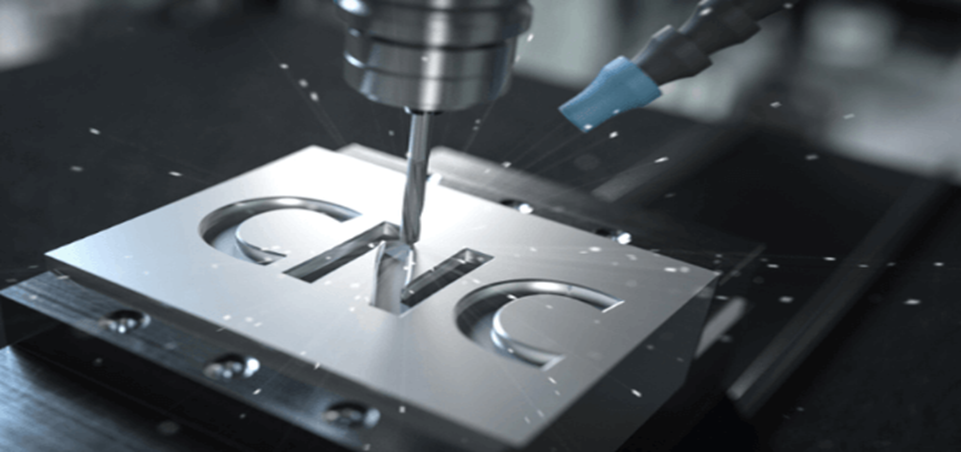
CNC machined aluminium is the process of manufacturing parts by using computer numerical control (CNC) machining with an aluminium component. One process of this is automated cutting, drilling, and shaping the aluminium to produce high-accuracy components used in the industry such as aerospace, automotive, electronics, and medical devices. CNC machining of aluminum is preferred because it is lightweight, corrosion-resistant, and has a good strength-to-weight ratio. This process has tight tolerances, smooth finishes, and the same quality. CNC machined aluminium parts are used in custom components, prototypes, and mass production and hence a part of modern manufacturing significance for functionality and durability.
Properties of Aluminum in CNC Machining
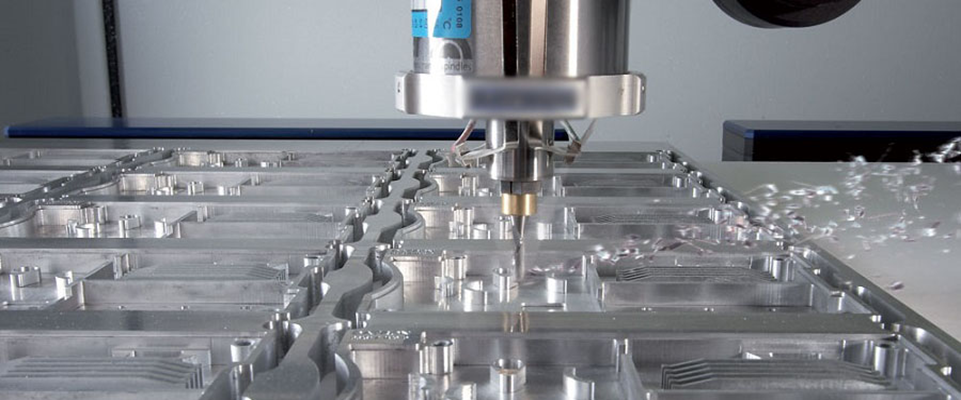
CNC machining is one of the most commonly used materials for CNC machining because of its lightweight, strength and machinability, as well as corrosion resistance. Below are the primary properties that make aluminium an ideal material for precision machining.
Lightweight & High Strength
Aluminum is much lighter than steel, which means it is suitable for industries where reducing weight is necessary such as aircraft and automobiles. 7061 and 7075 certain aluminum alloys offer high strength to weight ratio so the durability is not compromised for extra weight.
Excellent Machinability
- Aluminium is easy to machine and can be done with high-speed CNC milling, drilling and turning.
- A better production of less tool wear increases tool life and lowers production costs.
- It will offer smooth surface finishes, which is good for intricate designs plus fine details.
Corrosion Resistance
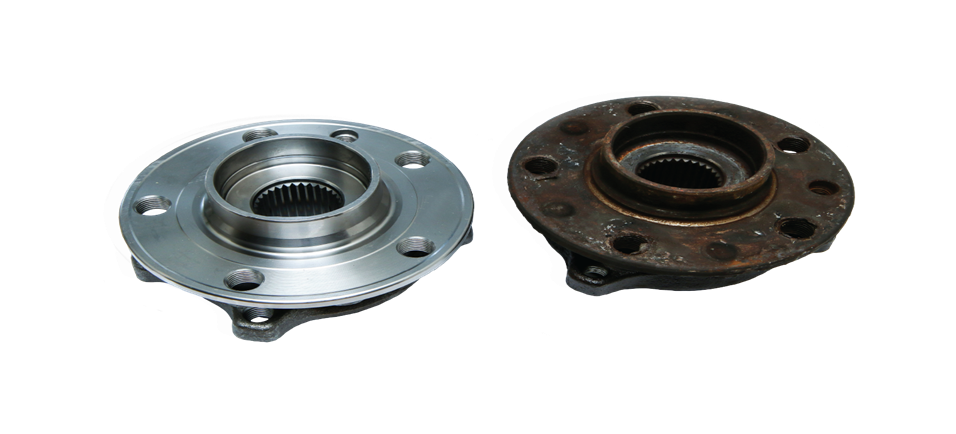
- Aluminum is already oxidized naturally and forms an oxide layer which protects from corrosion.
- For example, 6061 and 5052 are some high corrosion-resistant alloys that make them suitable for marine and outdoor use.
- Anodizing can be further treated to improve surface durability and appearance.
High Thermal & Electrical Conductivity
- It (aluminium) is an excellent thermal conductor which dissipates heat efficiently and is hence suitable for heat sinks, engine parts and electronic enclosures among other things.
- Also, it is an excellent electrical conductor making it suitable for circuit board housing, connectors and power transmission components.
Weldability & Formability
- It is possible to weld and shape complex geometries from many aluminium alloys, such as 6061.
- Its ability to be customized for machining makes it useful for special purposes and precision duties.
Cost-Effectiveness & Sustainability
- Preferable material for mass production of high volume because aluminium is readily available at lower costs.
- It is 100% recyclable, meaning that it supports sustainable and eco-friendly manufacturing processes.
Aluminum is a commonly used material for CNC machining due to these properties which makes aluminum a good choice for precision, efficiency and durability in almost all industries
Most Common Aluminum Products for CNC Machining
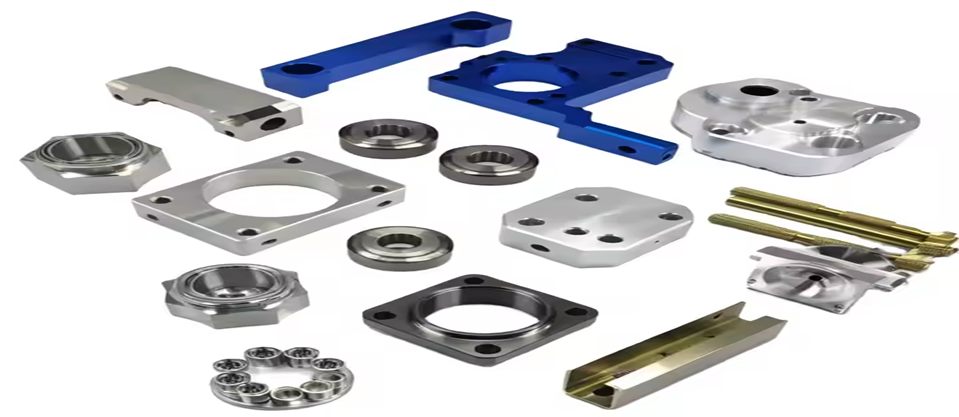
CNC machining makes use of aluminium widely because of its lightweight, corrosion resistance and good machinability. Aluminium products are machined under several circumstances to satisfy the requirements of aerospace, automotive, electronic and biomedical industries. Here are some of the most used CNC machining aluminium products:
1. Aluminum 6061
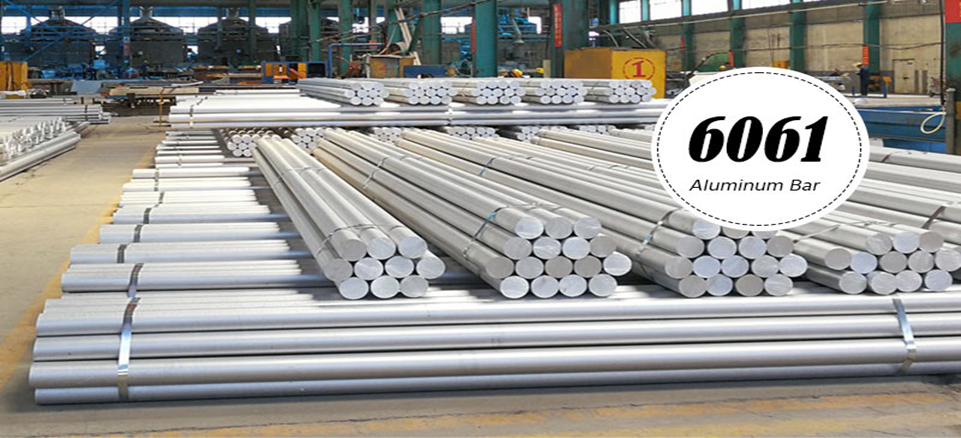
- An aluminium grade is as versatile as any and one of the most common.
- It is excellent in strength, corrosion resistance and weldability.
- Ideal for automotive parts, aerospace components, and industrial machinery.
2. Aluminum 7075
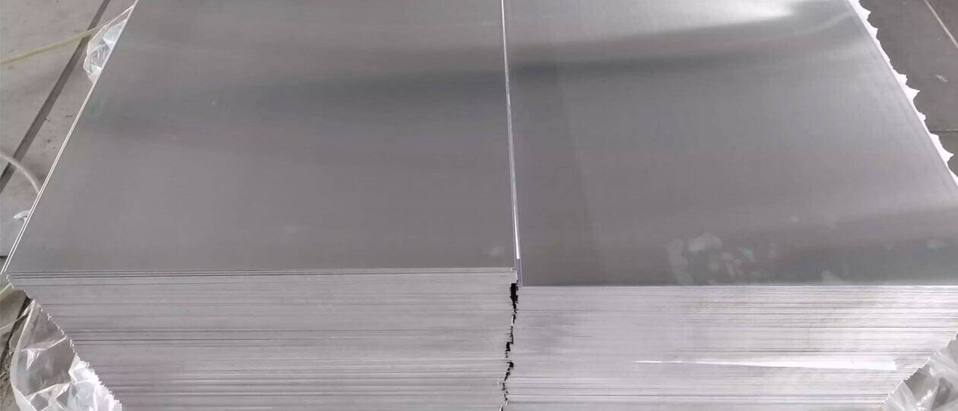
- known as high strength and durability, that it is good to match heavy-duty applications.
- It is commonly used in aerospace, defence and high-performance automotive components.
- Less corrosion: resistant than 6061 but significantly stronger.
3. Aluminum 5052
- Highly resistant to corrosion, especially in marine environments.
- Good formability, and medium strength, are offered, making it suitable for fuel tanks, pressure vessels, and enclosures
4. Aluminum 2024
- High-strength aluminium alloy with great fatigue resistance.
- They are commonly used in aerospace structures, in transportation as well as in military applications.
- They are less corrosion resistant so protective coatings or treatments are usually applied.
5. Aluminum 6082
- Offers mechanical strength higher than 6061 but similar to it.
- Bridges, construction and some heavy-loaded structural components are frequently used.
The selection of these CNC machined aluminum parts is made on strength, machinability, and corrosion resistance and the application needs to give high-performance results, across many industries.
CNC Machining Processes for Aluminum Parts
High-precision aluminium parts used in aerospace, automotive, electronics and industrial fields must be manufactured through CNC machining. The main machining processes involved in shaping aluminium parts are as follows.
CNC Milling
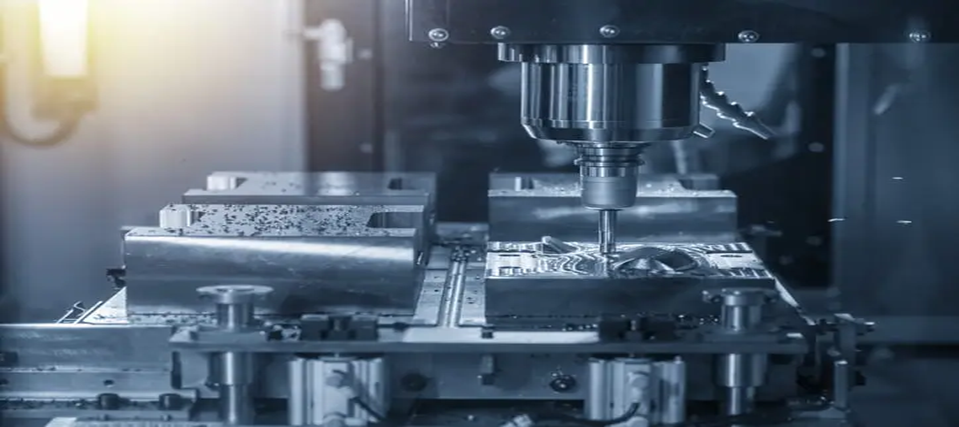
Process
The machining process of CNC milling is used to remove excess material in a workpiece of aluminum by using a rotating multi-point cutting tool. All axes of this process are working together so it is possible to fabricate complex geometries, holes and fine surface finishes. due to the precision of CNC milling, the mechanical part made by CNC milling ensures the consistency and accuracy of mass production
Applications
- Aerospace brackets and fuselage components
- Automotive engine parts and transmission housings
- Heat sinks and electronic enclosures
- Medical surgical tools and implants
CNC Turning
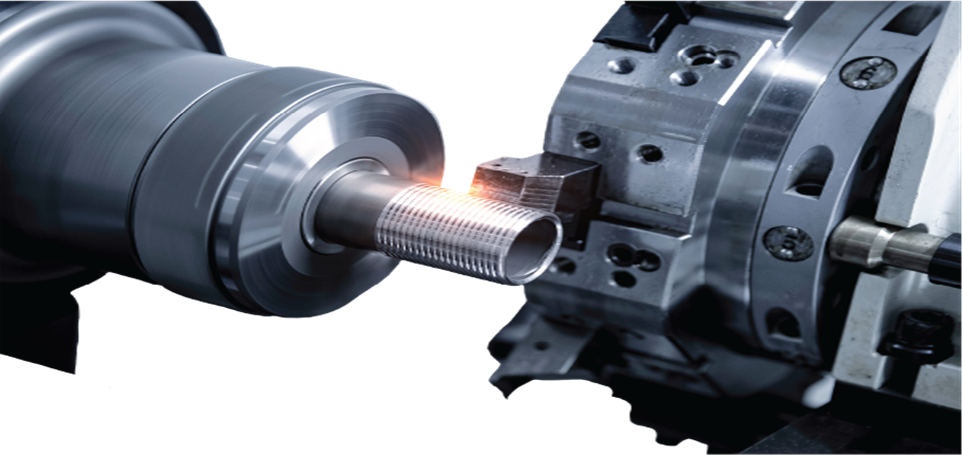
Process
In CNC turning, an aluminum workpiece is subjected to rotation with a stationary cutting tool to produce a cylindrical or conical shape. This is an efficient method of producing round and symmetrical parts with a smooth surface finish. There are additional operations such as boring, threading, and knurling which the part can be subjected to alter functionality.
Application
- Shafts, bushings, and fasteners
- Aerospace and automotive connectors
- Hydraulic and pneumatic fittings
- Medical prosthetics and orthopedic implants
CNC Drilling
Process
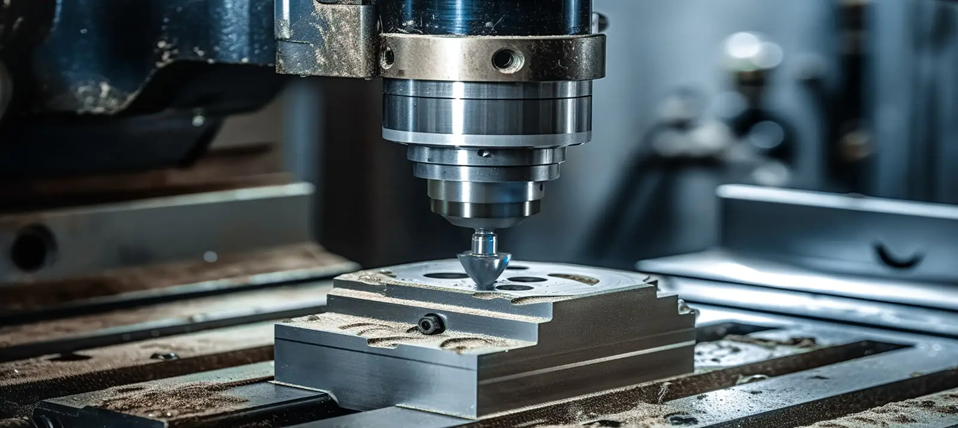
CNC drilling is a type of precision aluminium machining that involves applying rotating drill bits to create accurate holes in aluminium workpieces. With the drill bit moving along the Z-axis, the hole depth and diameter can be achieved accurately. The modifications of hole shape for special applications can be done by using additional techniques such as counterboring and countersinking. CNC drilling guarantees constant results, high-speed manufacture, as well as good repeatability.
Applications
- For the aerospace and automotive structural components which demand the precision of holes
- Circuit board housings and electronic enclosures
- Such as medical devices with very fine requirements of locating holes.
- Industrial machinery parts that receive fasteners and fittings.
CNC Tapping
Process
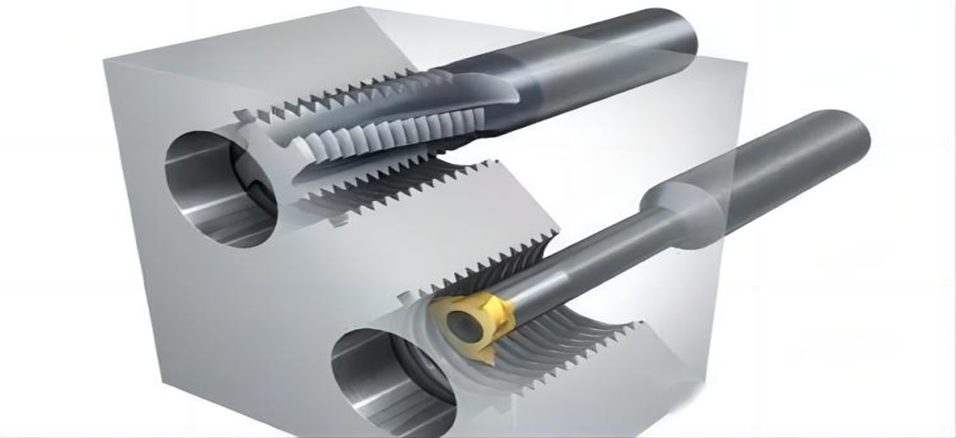
CNC Tapping is a manufacturing process of cutting internal threads on a pre-drilled hole. This enables screws and bolts to be fastened to the aluminium material as the specialized tap tool cuts and rotates the threads into the aluminium material. Tapping requires that the proper tool be chosen and the tool is properly lubricated to prevent tool breakage and ensure that high-quality threading will result.
Applications
- Threading connections for engine blocks and transmission systems
- High-strength fasteners for aerospace components that require such
- Includes electronics casings with threaded mounts for screws and bolts.
- Industrial and manufacturing sector custom machine parts.
All of these CNC machining processes serve an integral purpose when creating high-quality aluminium parts with precision, durability and efficiency, which is necessary for many industries.
Auxiliary or Special CNC Aluminum Processes
While CNC machining of high-precision aluminium parts can achieve the highest quality, it only marinates the parts with aluminium properties; additional processes are necessary to improve their endurance, appearance, and performance factors. The aid of auxiliary or special processes tends to enhance the corrosion resistance, surface quality and mechanical properties. The following are the most popular CNC-machined aluminium parts used for treatments.
1. Anodizing
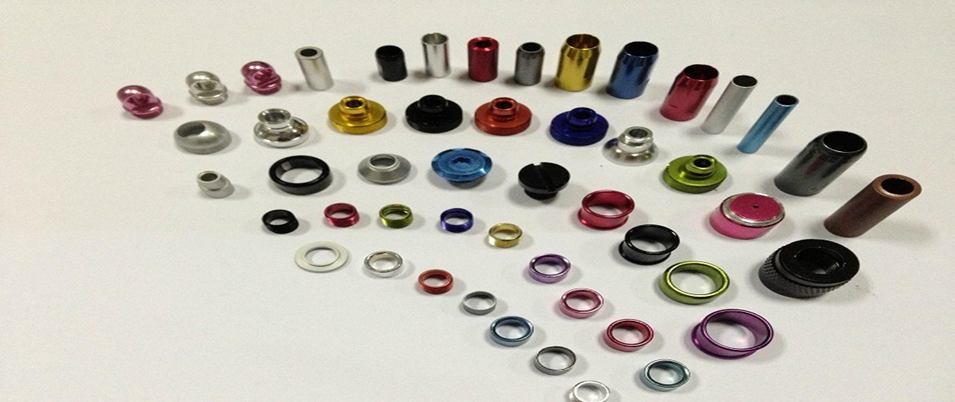
Anodizing is the treatment where aluminium is coated with a protective oxide layer, which enhances corrosion resistance and enables colouring. In addition, it raises surface hardness, and strengths generally parts against loading.
2. Powder Coating
It is a process whereby a dry powder is used in combination with just enough heat to cure a protective finish that is hard and strong. It improves wear resistance and offers good aesthetics and a variety of colours.
3. Polishing
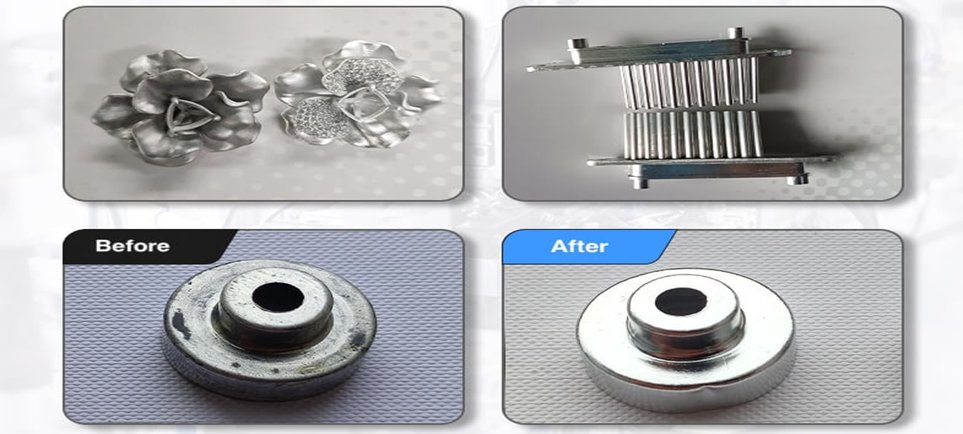
Polishing smoothes the surface imperfections and gives a polished, reflective or mirror-shiny finish. The usefulness of the process is especially for decorative applications.
4. Heat Treatment
The mechanical properties of strength and toughness of the aluminium can be enhanced through heat treatment that changes its internal structure. T6 typing for aircraft-grade aluminium is the common technique used to achieve these results.
5. Laser Engraving
Aluminium surfaces are marked with precise markings, serial numbers or logos integrated into the surface without affecting the material integrity through laser engraving. A widely used example of coding is for branding and traceability.
6. Sandblasting & Bead Blasting
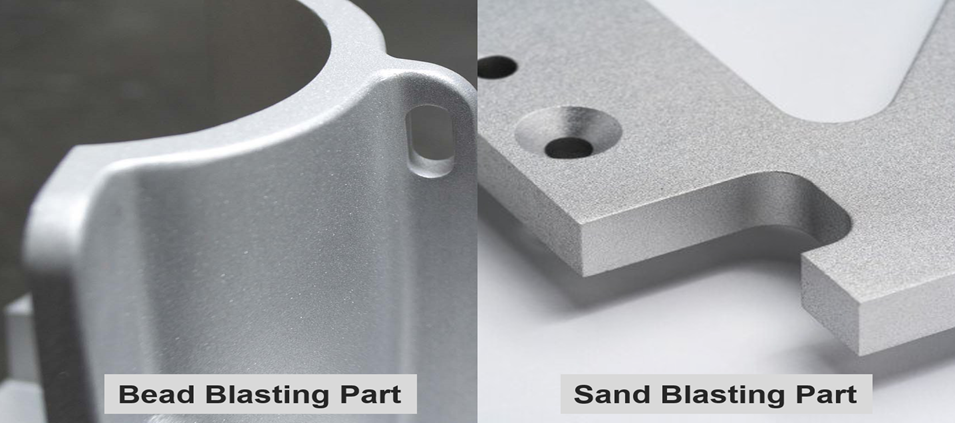
The processes utilize high abrasives under pressure, which remove surface imperfections of the part, provide a matte or textured finish, and also prepare the part for coatings.
7. Electroplating
The coating of aluminum with metals such as nickel or chrome that results from electroplating enhances this resistance to corrosion, hardness, and conductivity.
8. Brushing
Aluminium is brushed to create a uniform textured pattern to improve its aesthetic in consumer electronics and automotive parts.
These auxiliary processes assure the CNC aluminium machining parts which are manufactured following stringent functional standards and also aesthetic standards so that they may be used in multiple industries.
China: A Leading Hub for CNC Machined Aluminum Parts
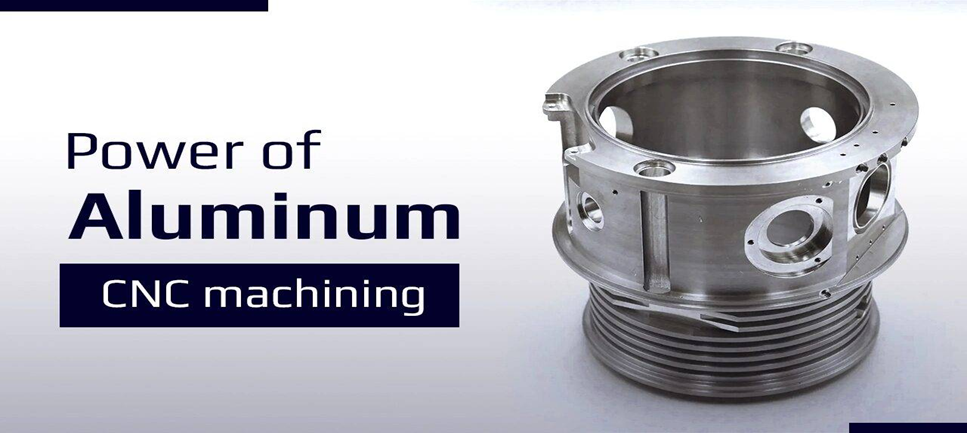
China is one of the big manufacturers of CNC aluminium machining parts mainly because they have the best manufacturing skills, higher efficiency and experienced workers. For this reason, many global industries source their china CNC machined aluminium parts from here.
- It Helps in keeping the production costs down while maintaining quality.
- Advanced CNC machines promise high precision and efficiency.
- Provides the Ability to Fulfil Bulk Orders in Short Time Frames: bulk orders within large-scale facilities that have large production capacity.
- Moreover, Chinese manufacturers provide customized machining services as per client’s specifications.
Applications of CNC Machined Aluminum Parts
Such characteristics of CNC machined aluminium parts make them of utmost importance in many sectors including aerospace, automotive, electronics, military, sporting goods, marine and many others. These components are precision, durable, efficient, and provide for multiple applications.
1. Aerospace
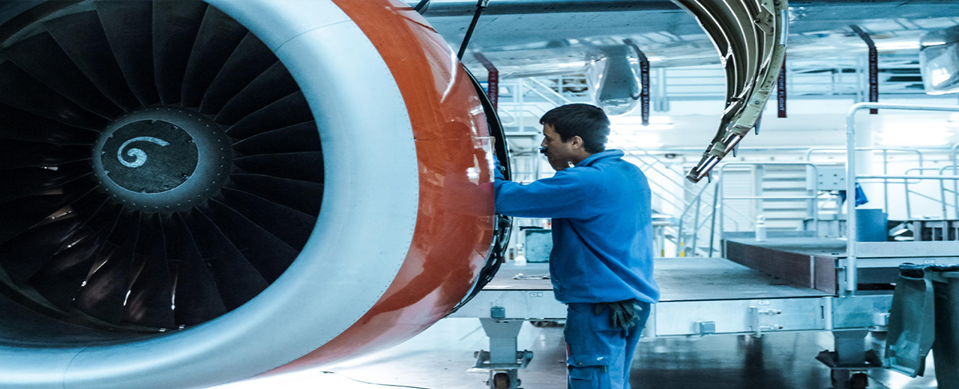
- Used, among other things, in aircraft structures, fuselage, engine parts, or landing gear.
- Meant to be lightweight with a high strength-to-weight ratio to decrease aircraft weight.
- For example, 6061, 7075 and 2024 are commonly used aluminium alloys due to their good strength, fatigue resistance, and thermal stability.
2. Automotive
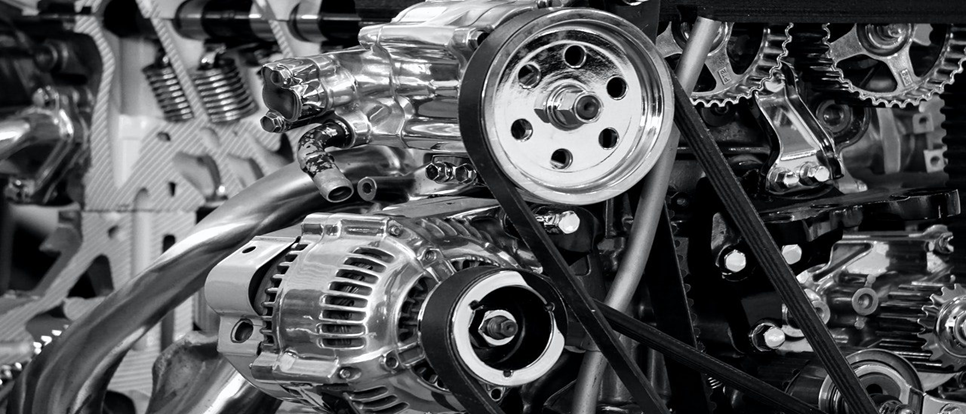
- The most commonly machined parts are the engine blocks, transmission components, suspension systems and brackets, which are made using CNC-machined aluminium.
- It gives in weight reduction which makes the vehicle lighter thereby making it more efficient in fuel consumption, vehicle speed and performance.
- Aluminium is particularly suitable for use in radiators, brake components, cylinder heads, and high-performance racing car parts on account of its ideal heat dissipation properties.
3. Electronics
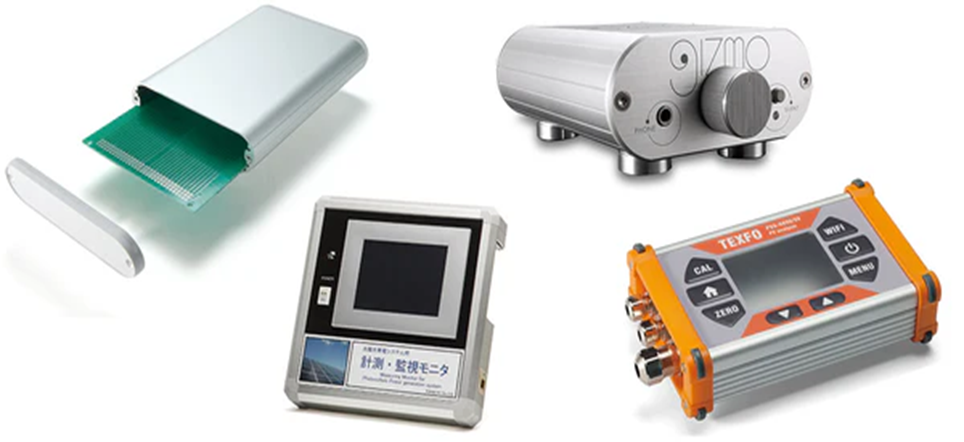
- Casings, circuit board housings, and connectors are made with it as heat sinks.
- Aluminum’s thermal conductivity assists in dealing with the heat in computers, lighting systems with LED, power electronics and communication devices.
- Its lightweight and strength make it a durable and powerful electrical enclosure.
4. Medical Devices

- Surgical tools, prosthetic components, orthopaedic implants and diagnostic equipment use CNCaluminiumm.
- Offers human body biocompatibility, precision and corrosion resistance and therefore suits medical grade applications.
- Applied in MRI machines, hospital bed components and laboratory instruments.
5. Industrial Machinery
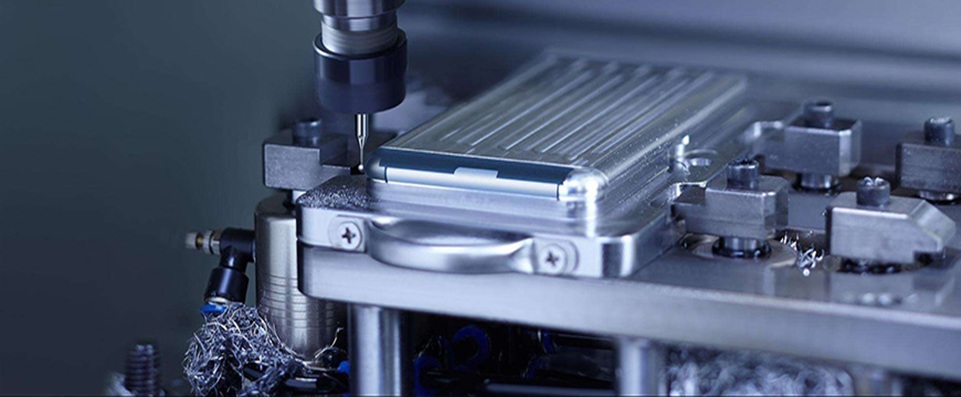
- Essential for custom machine components, robotic arms, ear housings, pneumatic systems, and automation equipment.
- Provides high precision, wear resistance, as well as long-life durability in the manufacturing and heavy machinery industry.
- It is used in conveyor systems, factory automation and CNC machine frames.
6. Marine & Defense
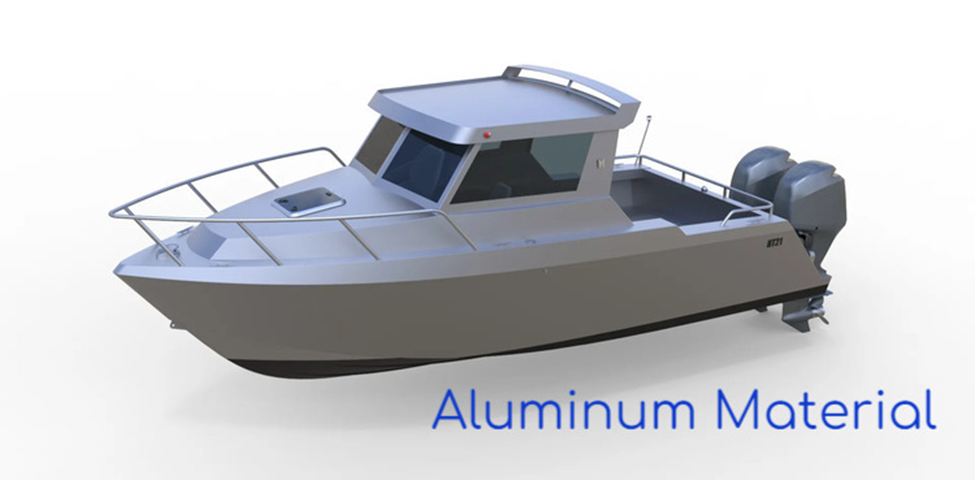
- These were used in boat hulls, navigation systems, military-grade equipment as well as aerospace defence components.
- Aluminum alloys have resistance to harsh environments, saltwater corrosion extreme conditions etc.
- Suitable missile components, armoured vehicle parts, and surveillance drone structures.
7. Renewable Energy
- CNC aluminum parts are employed in the production of solar panel frames, wind turbine components, enclosures for batteries and hydroelectric systems.
- With lightweight and anti-corrosive features, they increase the efficiency of green energy solutions.
- Applied in the battery packs of electric vehicles (EV), energy storage units and hydrogen fuel cells.
8. Consumer Goods & Sports Equipment
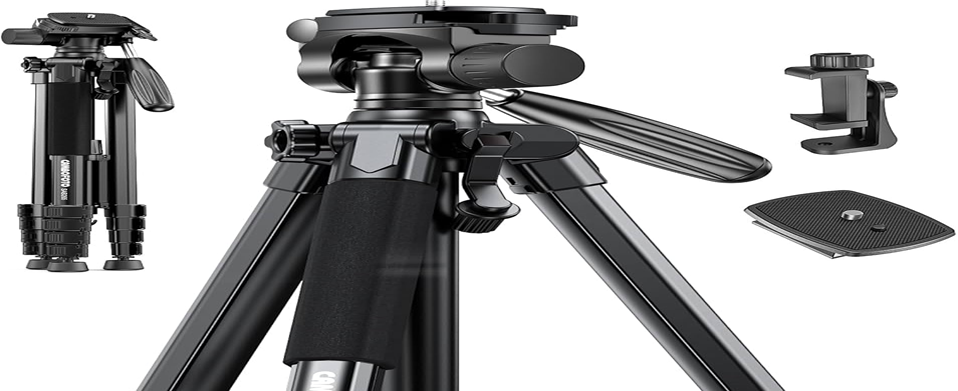
- Bicycle frames, sports gear, camera accessories and musical instruments are made of CNC aluminium
- Provides durability, lightweight performance and high aesthetics for premium products.
- Our laptops, smartphones, and gaming console enclosures feature a sleek and durable design.
- The CNC machined aluminum parts are flexible and reliable which can ensure high-performance solutions to modern industries through these applications.
- The heat-treated CNC aluminum components offered at MFG offer all of these benefits in combination of strength, lightweight qualities, and corrosion resistance, and continue to lead innovation and efficiency in all sectors.
Conclusion
CNC-machined aluminum parts are an essential part of practices that call for precision, durability and lightweight materials. Combined with the accuracy and complexity of the components which you can create, Aluminum remains a first choice for the major manufacturers worldwide. It is an excellent metal for machining, has resistance to corrosion and flexibility for a variety of uses such as in the aerospace and automotive industries; medical devices; and renewable energy solutions.
Special finishing processes like anodizing and powder coating make the CNC aluminium parts even more performance-enhancing. As global industries continue to seek cost effective, high quality manufacturing solutions, China has played and continues to be the dominant player in the production of cnc machined aluminum, especially for high scalability and customization, at affordable price.
While aluminium machining has always been an area of rapid innovation and growth, as advancements in CNC technology continue, the future of aluminium machining is continually changing and becoming increasingly more effective. Regardless of whether one is using CNC-machined aluminum for prototyping, mass production, or some other specialized application, this will be the future of manufacturing with CNC machined aluminum bringing them high performance solutions in different industries.
FAQs
1. Why is aluminium used for CNC machining?
It is corrosion resistant, easy to machine and is long and lightweight. High-speed machining, smooth finishes, and minimal tool wear are features that make it designed for applications such as aerospace, automotive and electronics sectors.
2. What are commonly used Aluminum alloys for CNC machining?
6061 is a very popular versatile alloy having high strength, 7075 has high strength and is used in aerospace applications, 5052 is a corrosion-resistant alloy specifically used in marine applications; 2024 has a high fatigue resistance and is used in aerospace, and 6082 has high strength and is used in structural applications.
3. What is the best finish for CNC aluminium parts?
Anodizing (provides corrosion resistance and the ability to colour coordinate through anodizing), powder coat (provides durability), polishing (finish is smooth), laser engraving (not that it needs to be marked/branded), or brush (for a textured appearance).