
Introduction
Lightweight construction, good mechanical strength, corrosion resistance, and excellent dimensional precision are the properties that make trykstøbt aluminium so popular in modern manufacturing. Aluminum die-casting producers can quickly and accurately produce intricate metal components, whether they are making automotive parts, electronic enclosures, industrial equipment, or heat sinks.
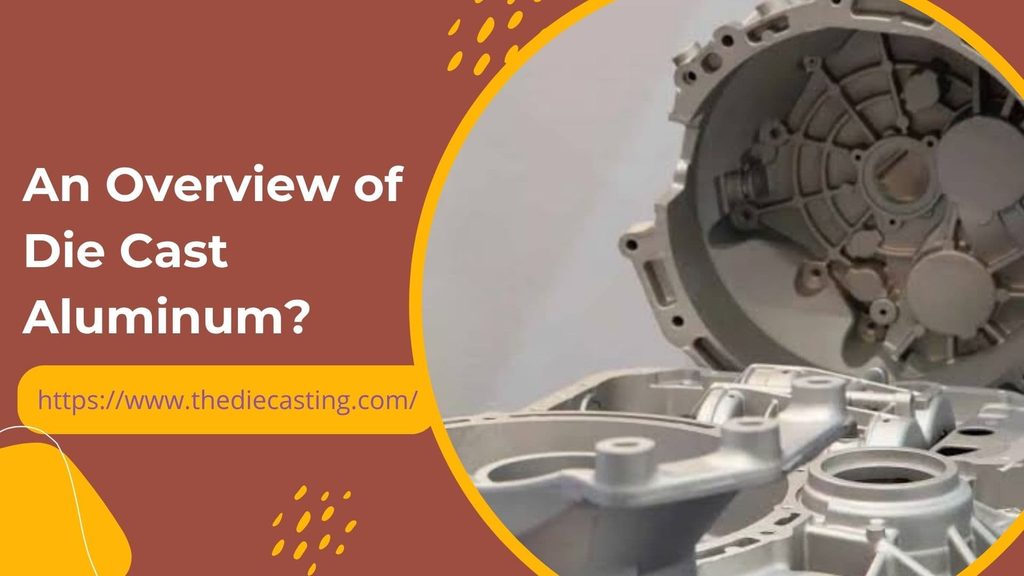
It is done by pressure casting molten aluminium alloy into a reusable steel mold. After the metal cools and hardens, the mold opens, and the casting is removed. The parts can then undergo further operations like surface finishing, deburring, assembly, and CNC machining, preparing them for their specific use.
This guide covers the workings behind the aluminum die casting process, the most popular alloys, tips on component design, and what to look for in selecting a manufacturing supplier.
Hvad er trykstøbt aluminium?
A metal part made by forcing molten aluminiumslegering under high pressure into a precision-engineered steel part, known as a die. The metal hardens in the mold, creating a replica of its shape and surface features.
Aluminum die casting is done by means of a set of reusable tooling as opposed to sand casting, which normally employs a sand mold. The high-pressure injection can be used to fill complex cavities with thin walls, ribs, and mounting features rapidly, and is suitable for parts with complex geometries.
Aluminium alloys are especially appropriate for this process as they possess a good strength-to-weight ratio, good thermal conductivity, and corrosion resistance. Die-cast parts can also be electrically conductive and good EM (electromagnetic) shields, depending on the alloy and part design.
What is the Aluminum Die Casting Process?
There are different steps in the aluminum die casting process. The impact of each stage is on the dimensional accuracy, surface quality, internal structure, and overall performance of the component.
1. Product Design and Die Tooling
It starts with a CAD model and engineering review. The designers calculate wall thickness, draft angles, parting lines, undercuts, etc., which will impact the mold filling and part removal. Engineers then create the design of the die, which involves the design of the cavities, cores, runners, gates, vents, cooling channels, and ejector system.
The design-for-manufacturing (DFM) review can be used to look for potential issues before tooling is manufactured.
2. Melting and Injection
The selected aluminium alloy is placed in a furnace and is melted, normally at a temperature suitable for the aluminium alloy and the production process. The molten metal is fed into the cold-chamber die casting machine’s shot sleeve. A hydraulic or mechanical plunger then pushes the metal under high pressure into the closed steel die. The cavity is quickly filled before the metal sets and the part can be formed with detailed features.
3. Afkøling og størkning
Once the cavity is filled, the aluminum is cooled and solidified under controlled conditions. Temperature control is achieved by using cooling channels within the die, which help to maintain consistent production. Temperature regulation, venting, and injection parameters can also cause defects like porosity, cold shuts, and dimensional distortion. These conditions are optimized to ensure casting quality and repeatability by the manufacturers.
4. Ejection and Trimming
After the metal has cooled down to a safe level, the machine releases the die. The casting is ejected from the mold by ejector pins, without damaging the component. Excess material adjacent to the gates, runners, and parting line may be present in the newly cast part. This material is removed from the component by trimming presses or other deburring processes, and the component is then ready for additional processing.
5. CNC Machining and Surface Finishing
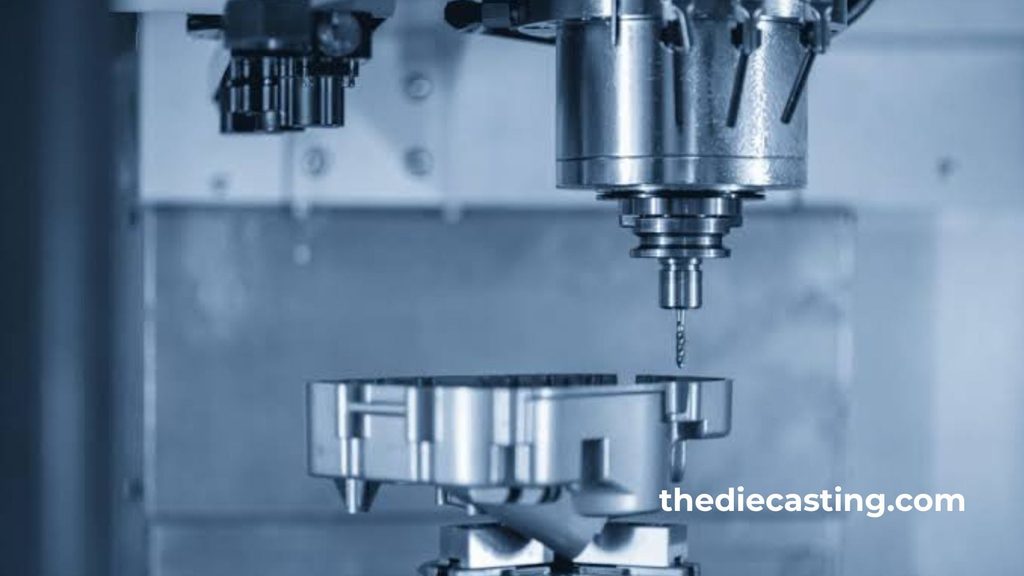
Other parts need secondary CNC processing to produce exact size, thread, and sealing surfaces, or to ensure the correct mounting features. Machining is particularly effective for designs that demand closer tolerances than the as-cast technique can maintain. The finishing options are a powder coat, paint, polish, blast, or to be coated in plating.
6. Plant inspection and assembly
The last step is to ensure that parts are produced in accordance with the engineering drawing specifications and customer requirements. Dimensional measurement, coordinate measuring machine (CMM) inspection, visual examination, hardness testing, and X-ray inspection may be used as inspection methods, depending on whether there are internal defects that need to be assessed.

Which Aluminum Alloys Are Used for Die Casting?
Choosing the right alloy affects strength, castability, corrosion resistance, pressure tightness, machinability, and cost.
| Aluminiumslegering | Main Characteristics | Typiske anvendelser |
| A380 | Good castability, strength, dimensional stability, and general-purpose performance | Automotive brackets, equipment housings, electronic enclosures |
| A383 | Good filling characteristics for complex geometries and improved resistance to hot cracking in suitable applications | Intricate housings, thin-walled components, complex castings |
| A360 | Good corrosion resistance and pressure tightness, depending on process conditions | Outdoor equipment, fluid-handling components, enclosures |
| ADC12 | Good fluidity, castability, and mechanical performance | Automotive parts, motor housings, industrial components |
| A413 | Good pressure tightness and fluidity, particularly for suitable pressure-containing designs | Hydraulic components, housings, pressure-related applications |
What are the Primary Benefits of die-cast Aluminum?
The manufacturers of repeatable components like medium or high volume stand to gain several advantages at a time by aluminum die casting.
Lightweight Construction
Aluminum is much lighter than steel and cast iron. Automotive, transportation, and electronics manufacturers can benefit from using aluminum castings in their applications and increasing the overall efficiency of their products.
Consistency of shapes and dimensions
In order to obtain the detailed mold cavity, the molten metal is pumped into the mold under pressure. This allows combining ribs, bosses, mounting points, and other features in one piece, which might even decrease the number of individual parts.
Høj produktionseffektivitet
After die development and the production parameters are optimized, the process can yield significant quantities of uniform components. The high reusability of the tooling and the short cycle times make aluminum die casting very interesting for repeated production runs.
Good Thermal and Electrical Conductivity
Aluminium is a good conductor of heat and electricity relative to other engineering materials. It is advantageous for heat sinks, motor housings, LED lighting components, and electronic enclosures that need thermal management and/or EMI shielding.
Corrosion Resistance and Recyclability
A thin oxide coating is naturally formed on the surface of aluminum, which is beneficial for corrosion protection. The amount of protection provided depends on the alloy composition, environmental exposure, and surface treatment.
What Are the Disadvantages of Aluminum Die Casting?
Although the process offers significant advantages, it also has limitations to consider during product development.
| Disadvantage | Explanation | Possible Solution |
| Høje indledende værktøjsomkostninger | Steel dies require engineering, machining, and validation | Use die casting for suitable production volumes and simplify the design |
| Porøsitet | Gas entrapment or solidification behavior can create internal voids | Improve venting, injection parameters, and process control |
| Design restrictions | Undercuts and difficult geometries can complicate tooling | Optimize the part design with DFM analysis |
| Limited alloy selection | Not every aluminum alloy is suitable for conventional high-pressure die casting | Select an alloy specifically intended for the chosen process |
| Secondary machining | Critical holes and mating surfaces may require additional operations | Design near-net-shape features and machine only where necessary |
What’s the Best Way to Design Aluminum Die-Cast Parts?
Good design makes products easier to manufacture, improves casting, and helps control manufacturing costs.
Maintain Uniform Wall Thickness
Uniform wall thickness allows for more uniform flow and solidification of metal. Sudden changes can result in shrinkage, porosity, and distortion. If a change in thickness is needed, it is usually best to have a gradual change or rounded features.
Include Suitable Draft Angles
Draft is the slight taper of surfaces parallel to the direction of casting removed from the die. For many features, a draft angle of about 1-2 degrees is a good starting point, but it will depend on the depth of the surface, geometry, and tooling conditions.
Use Fillets and Rounded Corners
Acute corners may impede the flow of metal and can cause stress concentrations. Fillets and radii aid in the smooth transition between surfaces and can enhance casting integrity.
Design Ribs and Bosses Carefully
Ribs can make a section stiffer without the need for a thick solid. Bosses are provided by the bosses for fasteners and other parts. These should both be planned to be neither too thick locally nor too difficult to fill.
Minimize Undercuts and Unnecessary Machining
Undercuts can need sliding cores or other tooling devices, which will complicate the mold and add to the cost. Eliminating undercuts and designing items near net shape can make production easier.
It is also the designer’s responsibility to determine which surfaces must have close tolerances. Maintaining critical machining to functional areas can reduce cycle and total cost.
What Industries Use Die-Cast Aluminum?
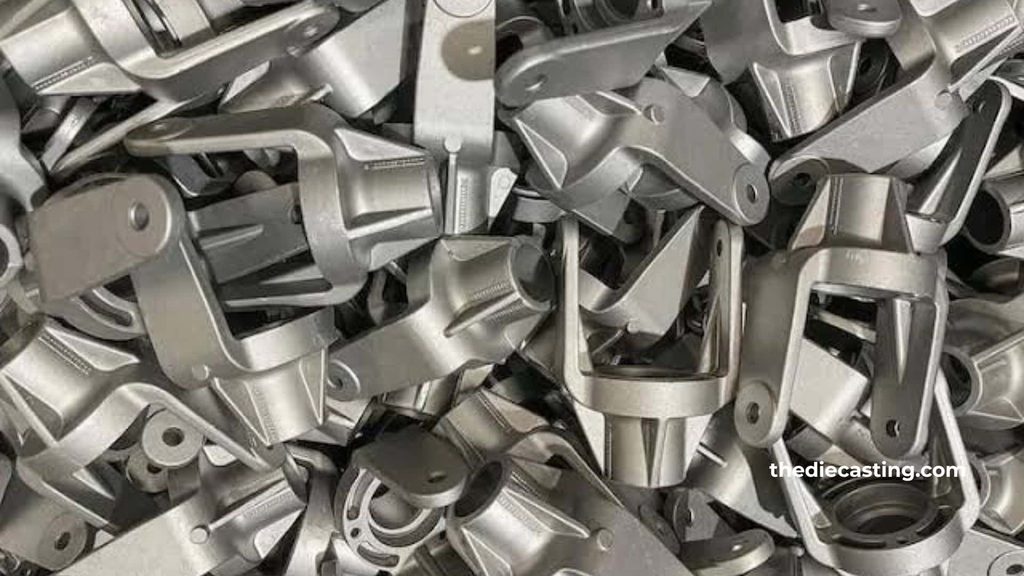
Die-cast aluminum is used across a wide range of industries where lightweight construction, repeatability, and complex geometry are important.
| Industri | Typical Components | Main Reasons for Use |
| Biler | Motor housings, brackets, transmission housings, structural components | Weight reduction, repeatability, and production efficiency |
| Elektronik | Enclosures, heat sinks, EMI-shielding housings | Thermal conductivity, dimensional accuracy, and shielding |
| Industrielt udstyr | Pump housings, machinery covers, mounting brackets | Durable construction and complex shapes |
| Lighting | LED housings and heat-dissipation components | Heat transfer and lightweight design |
| Agriculture | Equipment housings, control enclosures, brackets | Practical strength and corrosion-resistant alloy options |
| Telecommunications | Radio housings, network equipment enclosures | Heat management and shielding |
How to Check the Quality of Die-Cast Aluminum?
In quality control, the first step is material selection, and it continues through the tooling development, casting, machining, and final inspection process.
Dimensionel inspektion
The verification of dimensions on engineering drawings is made using calipers, micrometers, gauges, and CMM equipment. A consensus-based measurement plan and tolerances should be employed to inspect critical features.
Porosity and Internal Defect Inspection
The porosity can impact mechanical properties, leak tightness, and finishing. If necessary for the application, the defects may be identified by X-ray inspection, pressure testing, or other appropriate means.
Surface and Hardness Testing
Visual Inspection is used to detect any visible defects like cracks, incomplete filling, excessive flash, surface defects, etc. Hardness testing can be employed to ensure any material properties are met.
Process and Documentation Control
A good manufacturer would keep proper process records, inspection reports, and material records. The ISO 9001 certification may signify a well-established quality management system, and industry-specific standards might require further standards or customer audits.
How Do You Choose an Aluminum Die Casting Manufacturer?
The use of the wrong supplier will impact on component quality, lead time, tooling investment and future production reliability.
Here are some factors to keep in mind when ordering:
- Engineering support: Seek design-for-manufacturing reviews, mold-flow expertise, and explicit suggestions for manufacturability.
- Alloy capabilities: Ensure the supplier has experience with the alloy your design and application need.
- Machine capacity & Tooling: Make sure the supplier has adequate machine capacity and can fit the part and tooling requirements, and has a factory capacity that can handle the projected production volume.
- Secondary operations: Make sure that CNC machining, deburring, finishing, and assembly are available in-house or are qualified.
- Quality assurance: Inquire about dimensional inspection, defect detection, material traceability, and relevant certification.
- Production capacity: Ensure the supplier can provide for prototype validation, ramp up production, and repeat orders.
Prior to production, deliver a 3D CAD model, a technical drawing, the materials required, annual volumes, surface finish requirements, and information on critical dimensions.
Konklusion
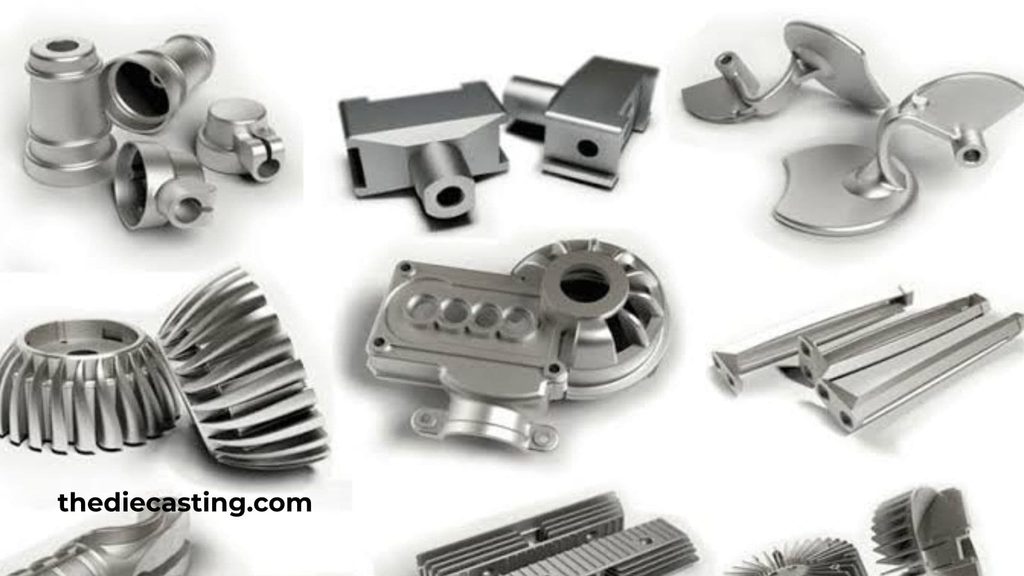
Den die-cast aluminium is a cost-effective and lightweight production method to manufacture metal parts with complex geometry and high durability. It is highly sought after due to its high production speed, dimensional consistency, thermal conductivity, and recyclability, and is used in a variety of industries, including the automotive, electronics, industrial equipment, lighting, and other markets.
Achievement of successful results is based on selection of alloy, wall design, control of the casting process, and verification of results against engineering requirements. While the initial investment in tools may be significant, this process can provide good per-part economics when the production size warrants the investment.
By working with an experienced aluminum die casting manufacturer, you can easily shorten the time required to develop the tools, secondary operations, finishing and quality inspection. Design reviews and production specifications are important to ensure reliable and cost-effective components.
Ofte stillede spørgsmål
1. What is Die-cast Aluminium?
The die-cast aluminium is a metal element created by pouring molten aluminum alloy into a reusable steel mold under high pressure. The process creates complex-shaped products with good dimensional consistency and is frequently adopted for medium- and high-volume production.
2. What is the difference between cast aluminium and die-cast aluminium?
The term cast aluminum is used to refer to parts that have been cast using various processes such as sand casting, gravity casting, and die casting. Die-cast aluminum is actually a die-cast part that’s made by casting molten alloy into a die, usually at high pressure.
3. Which type of aluminum alloy is most suitable for die casting?
A380, A383, A360, and ADC12 are common choices. A380 has a good compromise between castability and mechanical properties; A383 can be cast into complex shapes, and A360 can be used in situations where corrosion resistance and pressure tightness are significant.
4. Does die-cast aluminum have a high strength?
Yes, die-cast aluminum can offer a good strength-to-weight ratio. Actual performance will vary from alloy to alloy, part geometry, internal porosity, and manufacturing quality. Those parts that are subjected to heavy loads should be validated with the mechanical properties that are required.