
Casting and Machining
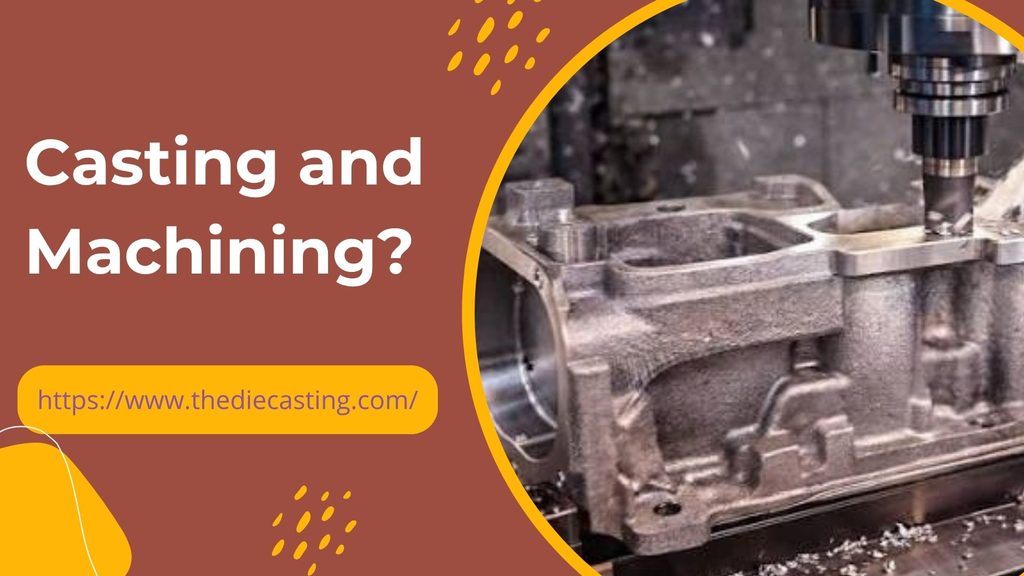
Metal casting and machining are two popular manufacturing technologies that are used in the automotive, aerospace, electronics, and industrial machinery sectors to manufacture metal components. While both processes produce components, they have several differences in terms of how the material is shaped, the tools needed, the costs, and the precision that can be obtained. Casting is a process of pouring or injecting molten metal into a mold to form components, and machining is a process that uses cutting tools to remove material from a solid object. In some applications, it is efficient to combine casting and CNC machining of complex parts, which have precise functional features. What Is the Difference […]
What are the Most Common Defects of Aluminum Casting?
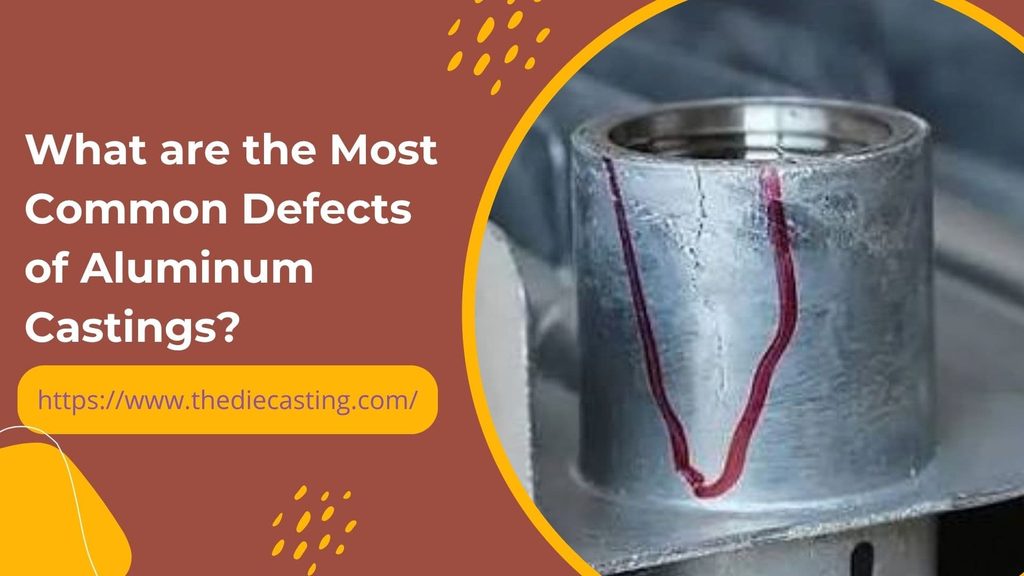
Aluminum casting is still one of the most popular manufacturing techniques for complex, lightweight, and strong parts in the automotive, aerospace, HVAC, electronics, and industrial machinery industries. Low density, thermal conductivity, corrosion resistance, and recyclability are among its many benefits, making it an essential material. However, the process is susceptible to defects that can lead to unwanted structural variations, excess scrap, and cost. To maintain scrap at less than 2% and guarantee consistent parts, it is important that the foundry be aware of the most common casting defects, their causes, and how they can be eliminated. This article covers over 10 common defects, explains how they occur, and offers practical […]